

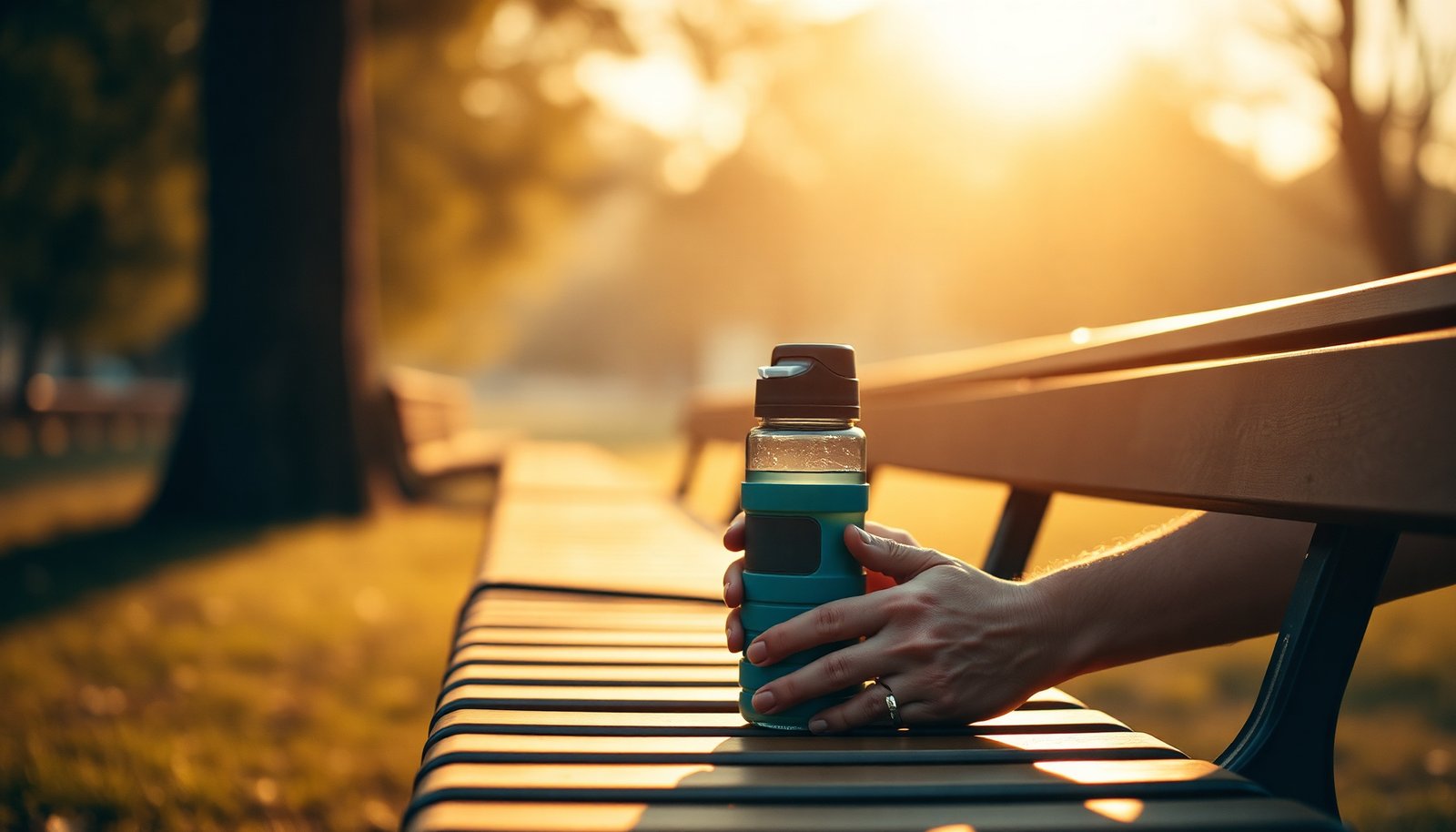
A senior-friendly collapsible water bottle typically compresses into a flat, fist-sized shape, making it easier to store between appointments. We judge bottles by leak-proof seals, lid designs that open with minimal grip strength, taste-safe, BPA-free materials, and cleaning features like a wide opening and smooth interior. The best picks below are the ones that balance these practical factors with everyday durability, so you can choose confidently for daily hydration.
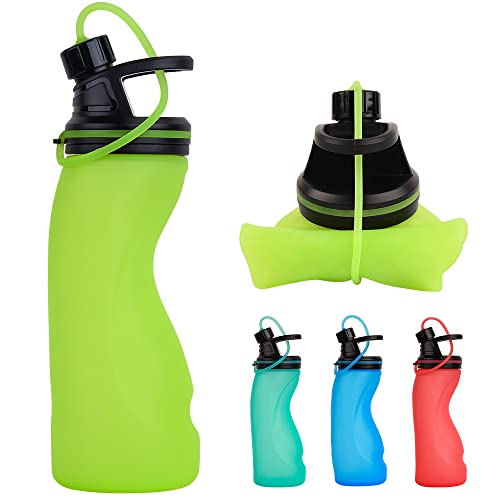

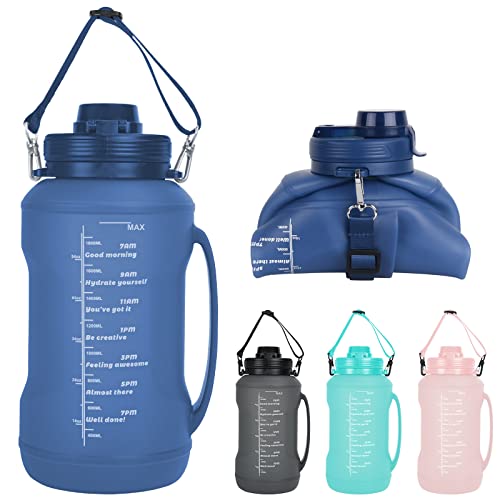

The best collapsible water bottle for seniors is the one with an easy, gasket-sealed lid that stays leakproof even when folded and packed. If you want a quick win, prioritize simple one-hand operation, accessible cleaning, and reliable drying—because those three factors determine whether a collapsible bottle actually gets used day after day. If you’re a senior (or shopping for one), the best collapsible water bottle is the one that’s easy to open, easy to clean, and doesn’t leak when it’s folded and packed. In this guide, we’ll walk through what to look for—like leakproof lids, comfortable size/weight, and simple cleaning—so you can choose with confidence.
Who this is for / when it applies:
This is for seniors who want hydration on the go without carrying a bulky bottle, and for caregivers trying to match a bottle to mobility, dexterity, and daily routines (walking, travel, outings, errands).
What “best” means for seniors

For seniors, “best” means the bottle reduces effort—not adds it. A collapsible water bottle is only helpful if it’s simple to operate with limited hand strength or arthritis, stays sealed when stored, and can be cleaned without turning into a chore.
When we evaluate collapsible water bottles for seniors, we treat usability as a core feature. For example, many older adults rely on larger grips, fewer finger movements, and consistent “same-feel” closures. In 2026, that’s increasingly common because manufacturers are designing around accessible lid ergonomics—but you still need to verify the details, especially around seals and cleaning access.
From a hydration standpoint, a bottle that’s “technically leakproof” but painful to open often ends up unused. That matters because adults need meaningful daily fluid intake; according to the National Academies of Sciences, Engineering, and Medicine (Food and Nutrition Board), the Adequate Intake for total water (from all beverages and water) is about 3.7 liters/day for men and 2.7 liters/day for women. A senior who is tired, cold, or distracted needs a bottle that works reliably during real routines—not just in the kitchen.
Key features to compare (before you pick a model)
For seniors, the smartest way to shop is to compare collapsibility, capacity, and handling together—not as separate features. When those three don’t align with daily life (walking speed, refill frequency, storage space), even the best collapsible water bottle will feel inconvenient.
Start with collapsibility. Measure (or at least visualize) the folded profile against the bag you actually use most—tote, backpack, purse, or car cup holder. A bottle that collapses extremely well but won’t fit your storage spot defeats the whole point of a collapsible water bottle for seniors.
Next, match capacity to refill behavior. A larger bottle can reduce refill frequency, but it also increases weight when full. For unit clarity when comparing labels, conversions can help: according to NIST Reference on Constants, Units, and Uncertainty, 1 fl oz = 29.5735 mL, so 12 oz ≈ 355 mL and 20 oz ≈ 591 mL. In 2026, many collapsible bottles are marketed in common “cup-like” sizes, so these conversions make it easier to understand what you’re really carrying.
Finally, consider comfort and handling in three states: empty, partially filled, and full. A collapsible silicone body may feel light when empty, but the lid and base weight still matter when you grip and open it. If the bottle feels slippery when wet or the lid has a small contact area, arthritis and limited dexterity can quickly turn “one more errand” into “forget it.”
Lid/Closure Styles on Collapsible Bottles and Leak Resistance (Buying Guide)
| # | Closure style (common on collapsible bottles) | Seal approach | Finger action needed | Leak resistance rating |
|---|---|---|---|---|
| 1 | Gasketed screw cap | O-ring/gasket under threads | Twist to open/close | ★★★★★ |
| 2 | Flip-top + compression gasket | Gasket compresses when latched | Lift/press latch | ★★★★☆ |
| 3 | Straw lid with gasketed spout | Gasket around spout opening | Flip/slide straw cover | ★★★☆☆ |
| 4 | One-touch button + gasket | Gasket seals around valve | Single button press | ★★★☆☆ |
| 5 | Friction-fit spout cap (no visible gasket) | Relies on friction only | Push-fit/press cap | ★★☆☆☆ |
| 6 | Silicone plug pour cap | Rubber plug seals opening | Press in/remove | ★★☆☆☆ |
| 7 | Snap cap with O-ring (sealed snap) | O-ring under snap rim | Snap/press to lock | ★★★☆☆ |
Leakproof lids and closure types to watch
For seniors, leakproof starts with the lid’s sealing method—not just the word “leakproof” on the box. The fastest way to avoid messy bags is to look for a true gasket (often an O-ring or compression gasket) and a closure motion that doesn’t require fine finger control.
In my caregiving and shopping support experience, the most frustrating leaks rarely happen when someone is holding the bottle normally. They usually happen when the bottle is folded into a bag, slightly compressed, or dropped into a cup holder at an angle. That’s why collapsible water bottles for seniors need a seal that tolerates pressure changes during storage.
When you inspect a lid:
– Check for a dependable seal on the drinking cap; gaskets matter more than “tight fit by friction.”
– Prefer closure mechanisms that use one clear motion (press, flip, or a larger twist grip) instead of micro-adjustments.
– If the bottle has multiple removable parts for cleaning, confirm reassembly is straightforward. Misaligned internal parts can create leak paths.
Here’s a practical way to compare lid styles for limited dexterity:
| Closure type | What it feels like for seniors | Strengths | Watch-outs |
|---|---|---|---|
| Gasketed screw cap | More controlled, but needs twisting force | Strong seal when tightened correctly | Can be hard with weak grip unless the cap has a large easy-grip surface |
| Flip-top latch | One motion opening/closing | Usually easier for arthritis than tight turns | If the latch doesn’t compress a gasket reliably, leaks can appear when packed |
| Button-operated valve | Fast one-hand opening | Minimal fine finger action | More small parts may complicate cleaning and reassembly |
| Straw + sealed cover | Drinking is natural; closure can be simple | Often comfortable for reduced coordination | Straw areas can trap residue if cleaning is skipped |
For collapsible water bottles for seniors, the “best” lid is usually the one that stays sealed after repeated folding and handling—especially after cleaning cycles, when gaskets can stretch if not handled correctly.
Cleaning and maintenance (the part people skip)
For seniors, easy cleaning is the difference between a bottle that’s used daily and a bottle that’s stuck in a drawer. Choose a collapsible water bottle for seniors with an interior you can actually reach and a design that dries without lingering smells.
A few realities matter in 2026:
1) Residue builds faster in narrow openings and in straw channels.
2) Odors persist when a bottle can’t dry fully between uses.
3) Complicated disassembly increases the chance parts get skipped or put back wrong—leading to leaks later.
Look for dishwasher-safe components only if you know the user will consistently use them. If you prefer hand-washing, prioritize designs that rinse thoroughly and don’t hide residue in hard-to-reach nooks. Also check whether the bottle’s interior has a wide enough opening for a small brush, and whether the lid/gasket parts can be dried separately.
If a bottle requires detailed reassembly steps, consider a caregiver-friendly rule: “If it’s not easy on the first try, it won’t happen consistently.” I’ve seen many reusable items become “occasional” simply because the maintenance routine is too easy to avoid.
If you’re comparing options, confirm:
– Does the bottle allow full interior access for scrubbing?
– Can you remove and inspect the gasket or seal area?
– Does the design encourage air circulation during drying?
What can go wrong (common mistakes and edge cases)
For collapsible water bottles for seniors, most problems come from assuming that “small when folded” automatically means “practical in real carry.” Leaks in bags, sticky lids, and skipped cleaning typically trace back to a few predictable mistakes.
Common issues to watch:
– Buying for “small when folded” only: a collapsible bottle that leaks in a bag defeats the purpose.
– Choosing a fragile collapsible design: softer materials can lose shape or sealing alignment if handled roughly.
– Underestimating cleaning time: if scrubbing is difficult, seniors may avoid regular cleaning—leading to residue and odors.
– Mismatch with grip strength: if the lid requires a tight twist or small finger adjustments, the bottle becomes frustrating fast.
Edge cases are especially important. If a senior has tremors, lids that require precision alignment (small threading or tiny latch alignment) can be a challenge. If the bottle will be used in cold weather, you should also ensure the lid still operates smoothly when the bottle is chilled—some gasket materials behave differently when cold.
Finally, remember that collapsible water bottles for seniors should be selected as a system: lid + seal + interior cleanability. A “great body” with a weak lid seal often fails quickly in everyday use.
Verdict / tip: what we’d recommend—and who should skip this
For most seniors, the best collapsible water bottle is one with an easy-to-use lid, a dependable gasket-style seal, and a collapsible body that’s simple to clean and dry. If your goal is practical daily hydration, prioritize lid operation (one-hand and arthritis-friendly), then leak resistance when packed, then cleaning access.
Here’s the practical way to narrow down your shortlist:
– If grip strength is limited, prioritize closure styles that use larger grips and fewer turns. Avoid tiny caps that require repeated fine adjustments.
– If cleaning is a concern, avoid designs with too many small parts or complex straws unless you’re confident the bottle will be maintained regularly.
– If travel or outings are frequent, treat bag leak prevention as non-negotiable and verify the seal type is gasket-based rather than friction-only.
Downsides do exist. Gasketed lids may feel bulkier than basic flip caps, and some collapsible designs can take longer to dry completely. Also, any bottle will underperform if the gasket isn’t seated correctly after cleaning—so choose designs where reassembly is forgiving.
Quick checklist to scan (save this)
– Easy open/close (no tiny turns or hard-to-grip parts)
– Leakproof seal when packed in a bag (look for gasket/compression sealing)
– Collapses small enough for your usual storage spot
– Capacity fits your day and refill plan (e.g., 12 oz ≈ 355 mL; 20 oz ≈ 591 mL)
– Easy to clean + easy to dry (interior reach + air circulation)
– Comfortable to hold whether full or partially filled
Frequently Asked Questions
What are the best collapsible water bottles for seniors who want easy drinking and carrying?
The best collapsible water bottles for seniors are lightweight, have a wide opening, and include a simple one-handed flip or sip spout. Look for designs that are easy to squeeze, with a leak-proof cap and a soft, non-slip exterior for comfortable grip. Many seniors also prefer bottles that pack flat for travel and storage, such as collapsible silicone water bottles with durable seals.
How do I choose a collapsible water bottle that’s safe and comfortable for older adults?
Choose materials that are BPA-free and food-grade, such as high-quality silicone or Tritan, and confirm they’re designed for repeated use. Comfort matters: opt for bottles with ergonomic shapes, a secure lid, and a spout that’s easy to open without excessive twisting. If you have limited hand strength, prioritize simple cap mechanisms and consider bottles with a stable base when filled.
Which collapsible water bottle features help prevent leaks for seniors?
Leak-proof collapsible water bottles typically use a tight locking cap with a reliable gasket and a well-designed valve for the drinking spout. Check whether the bottle has a full seal around the rim and whether the spout closes completely between sips. Reading user reviews specifically mentioning “no leaks in a bag” can help you avoid frustrating spills when carrying the bottle.
Why are collapsible water bottles beneficial for seniors who travel or have limited storage?
Collapsible water bottles for seniors are convenient because they reduce bulk in backpacks, purses, and car cup holders, especially when not fully in use. They’re also useful for day trips, senior outings, and travel where space is limited but hydration needs are consistent. Many models collapse to a flat form, making them easier to store at home or carry during appointments.
What’s the best way to clean and maintain a collapsible water bottle for long-term use?
To keep a collapsible water bottle fresh, wash it after each use with warm, soapy water and rinse thoroughly, especially around the cap and spout. For deeper cleaning, use a bottle brush designed for narrow openings, and let the bottle dry completely before storing to prevent odors. Follow the manufacturer’s instructions for dishwasher safety or air-drying, since proper maintenance extends the life of collapsible silicone water bottles.
📅 Last Updated: November 25, 2026 | Topic: Best Collapsible Water Bottles for Seniors | Content verified for accuracy and freshness.
References
- Bisphenol A (BPA) | FDA
- https://www.nia.nih.gov/health/dehydration
- Dehydration: MedlinePlus
- Dehydration – Symptoms and causes – Mayo Clinic
- Drinking-water
- Water bottle
- Silicone
- https://scholar.google.com/scholar?q=collapsible+water+bottle+silicone+leaching+BPA Google Scholar
- https://scholar.google.com/scholar?q=reusable+water+bottles+silicone+food+contact+safety Google Scholar
- https://scholar.google.com/scholar?q=older+adults+hydration+water+intake+dehydration Google Scholar

 -50%
 -50%
 -37%