

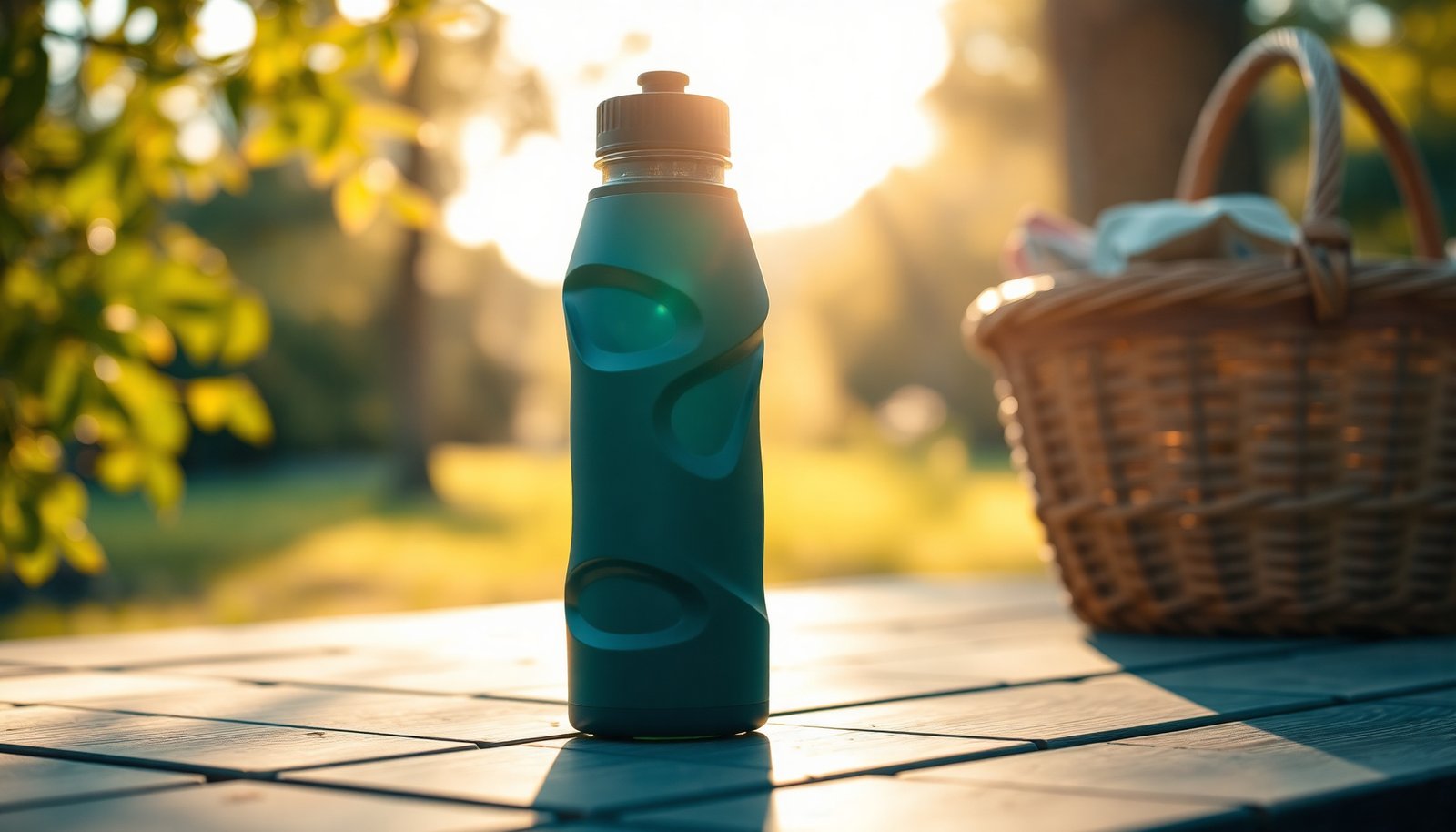
Our top choice for summer hydration is a leak-proof, easy-to-clean collapsible bottle, ideal for commuters, hikers, and anyone packing light. We ranked models by heat and leak resistance, build quality of the lid and seams, volume when fully expanded, and how quickly they collapse, open, and dry. The best options separate themselves with a sturdy, wide-mouth design and a cap that seals firmly even after repeated use.




The best collapsible water bottles for summer are the ones that pack down small, seal tightly, and are made from food-grade, BPA-free materials. Choose based on the lid design first (leak protection), then the material (taste/odor and heat tolerance), and finally the capacity that matches your typical outing.
If you’re tired of bulky bottles on hot commutes, at festivals, or on vacations, a collapsible option can be a big upgrade—as long as you pick one with a reliable lid design and a material that holds up to repeated use.
What to look for in a collapsible summer water bottle
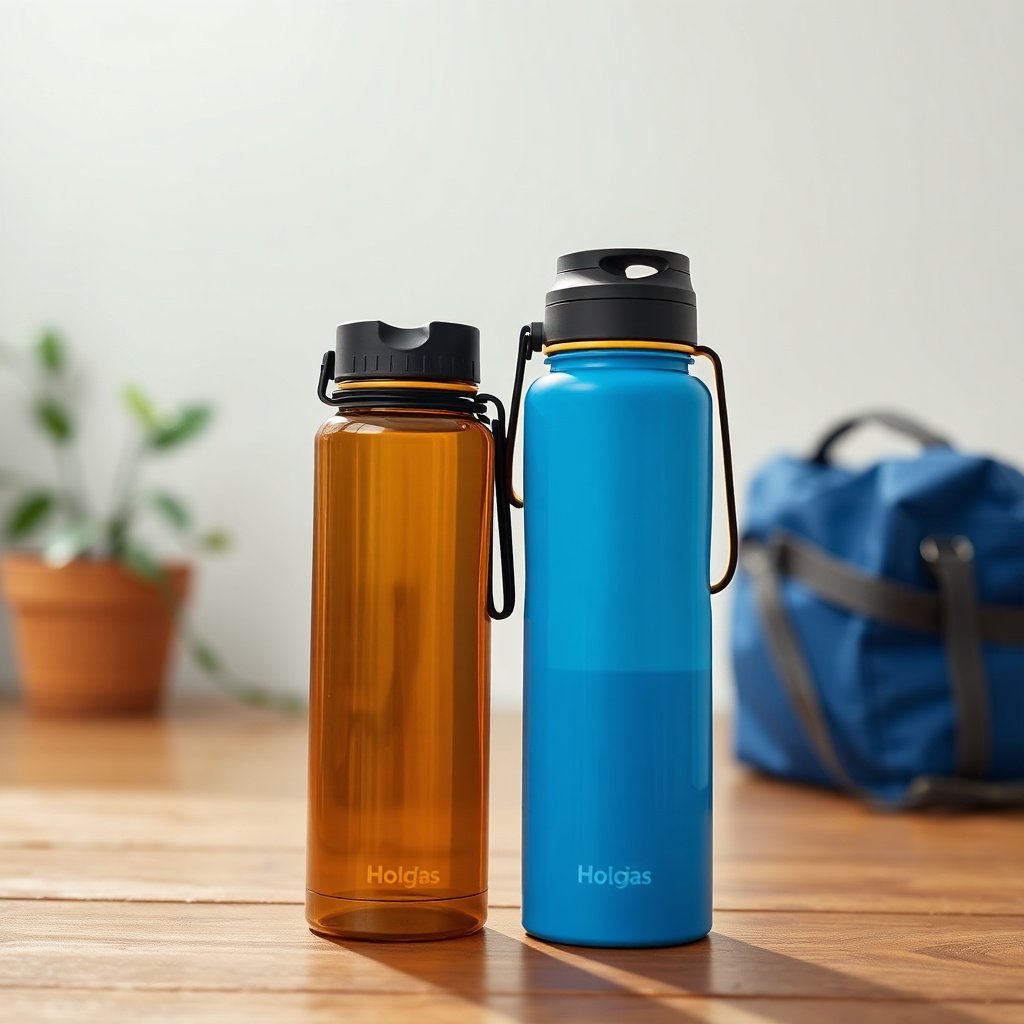
A collapsible summer water bottle should succeed at one job: keeping water contained while staying easy to use all day. In practice, that means prioritizing a leak-proof lid, food-safe materials, and a design that collapses smoothly without becoming a hassle at refilling time.
– Leak-proof lid + reliable seal: Look for a locking cap or silicone gasket that keeps water contained when tossed in a bag. A lid that feels “snug” isn’t enough—inspect how the gasket sits, whether the cap threads clearly, and whether the bottle has a defined “sealed position” when closed.
– Summer-friendly material: Prioritize BPA-free, food-grade materials and a design intended for drink storage (not just “refill later” use). For summer hydration, the material isn’t just about safety—it’s about how well it resists lingering tastes from flavored water or sports drinks.
– Quick fill and easy squeeze: A bottle that collapses smoothly but still opens wide enough to fill without hassle will be used more often. Wide mouths (or lids that open fully) reduce the friction of refilling from sink taps, water fountains, or hydration stations.
From a usability standpoint, we also recommend evaluating how the bottle behaves one-handed—opening the cap, sipping, and collapsing should feel predictable even when you’re sweating.
Best materials for hot-weather use
The right material choice reduces both safety risk and “why does my water smell funny?” problems during summer. Here’s how to think about the main flexible options you’ll see in collapsible water bottles.
– Silicone vs. TPU/other flexible plastics: Each material flexes differently—silicone often feels more durable and may tolerate repeated bending better, while other flexible plastics can pack even smaller. If you frequently travel (rolling bottles into daypacks) silicone typically holds its shape more consistently, but always follow the manufacturer’s handling guidance.
– Odor and taste resistance: Choose materials and coatings described as safe for potable water, and look for cleaning guidance you can actually follow. In general, rigid and flexible food-contact materials benefit from consistent cleaning, but flexible bottles can trap residues in folds—making thorough drying more important.
– Temperature limitations: Hot cars and direct sun can stress flexible bottles—check the manufacturer’s max temperature guidance.
One practical tip from my own commute routines: if you leave any collapsible water bottle on a dashboard (even briefly), you’ll often notice more “plasticky” odor over the next rinse cycle—so I try to store it in shade-ready spots and keep it away from direct sun when possible.
Capacity and packing size: match your day
The best capacity for your collapsible water bottle is the one that keeps you hydrated without wasting bag space. In summer, packability affects whether you actually bring water—so capacity should be matched to your route, not your ideal scenario.
– Pick capacity based on your plan: Short outings may need less, while hikes or travel days may require more storage. If you typically stop for refills, a smaller bottle can work; if you’re going longer between water sources, you’ll want a bigger tank.
– Collapsed size matters most in summer: If you’re also carrying sunscreen, a towel, or snacks, bag space gets tight fast. Collapsible bottles shine here because they can shrink when partially filled (or after you’ve emptied them).
– Weight trade-offs: More rigid lids and thicker materials can add a bit of weight—worth it if you value leak protection. Also remember: the cap design matters more than the main body thickness for leak risk.
According to the American College of Sports Medicine, athletes commonly aim for roughly 0.4–0.8 liters per hour during exercise, with the exact amount depending on intensity and conditions (position-stand guidance updated over multiple editions). That range is wide, but it helps you plan: for example, a 500 mL bottle may cover about ~30–75 minutes of active hydration at those typical rates.
Common Collapsible Water Bottle Capacity Tiers for Summer
| # | Capacity tier | Best for | Time covered @ 0.5 L/hr |
|---|---|---|---|
| 1 | 250 mL | Quick refresh on errands | 30 min |
| 2 | 350 mL | Short commute + café stops | 42 min |
| 3 | 500 mL | Day trips & gym sessions | 60 min |
| 4 | 600 mL | Longer walks with limited refills | 72 min |
| 5 | 750 mL | Hiking & festivals | 90 min |
| 6 | 1000 mL | Road trips & longer outdoor days | 120 min |
| 7 | 1200 mL | Back-up water when refills are rare | 144 min |
Cleaning and maintenance (so it stays safe all season)
The best collapsible water bottles are the ones you can clean thoroughly—not just rinse quickly. Because a collapsible bottle has folds and flexible walls, drying and seal care are what determine whether your summer hydration stays fresh.
– Look for wide openings or cleaning access: Bottles with easier access tend to stay cleaner between refills. If you often add sports drinks or flavored water, prioritize a mouth that lets you rinse without leaving residue behind.
– Drying is the real challenge: A collapsible bottle needs thorough drying to prevent lingering smells—use proper air-drying habits. After washing, expand the bottle fully and let it drain and dry with the cap off when possible.
– Stain/odor prevention: Avoid letting sugary drinks sit; if you do, plan to rinse and clean right away. Residues are exactly what creates “sweet” odors that later show up even when you’re refilling with plain water.
In 2026, more consumers are treating bottle hygiene as routine (similar to food containers), but the key collapsible-specific step remains the same: dry expanded, then store loosely so moisture isn’t trapped in the folded structure.
What can go wrong with collapsible bottles
Collapsible bottles can be excellent, but they introduce failure points you don’t get with rigid designs. Most issues come from seals, residue build-up, or heat exposure—especially during peak summer travel.
– Micro-leaks from worn seals: Over time, gaskets or caps can loosen or degrade—always inspect the seal before packing. A small leak is often the first sign that a cap isn’t aligning correctly or that the gasket is compressing unevenly.
– Odor retention after sugary drinks: If you regularly carry juice/sports drinks, you’ll need a reliable cleaning routine. Even when a bottle looks clean, odors can persist if the bottle isn’t fully dried between uses.
– Overheating in summer conditions: Leaving a bottle in a hot car or under direct sun may reduce performance—follow temperature guidance and avoid extreme exposure. Flexible materials can soften slightly when overheated, which can affect how reliably the lid seals.
– User mistake: improper collapse/storage: Folding and stuffing while still wet can trap moisture and lead to smells. If you compress the bottle for storage immediately after washing, you’re effectively drying it in a “closed” environment.
From my day-to-day use patterns, the easiest prevention is a consistent reset routine: rinse right away, wash at the end of the day, dry expanded overnight, and only collapse once fully dry.
Verdict: which collapsible bottle to choose—and who should skip this
If you want a compact bottle for summer travel, commuting, or day hikes, a collapsible model is often a smart pick—especially when the lid seals securely and the material is made for potable water. That said, if you need a bottle that never requires attentive drying/cleaning (or you expect constant heavy-duty use with lots of sugary liquids), you may be better with a traditional rigid bottle.
Collapsible vs. rigid: what usually matters most in summer
Here’s a practical comparison based on common design trade-offs you’ll encounter when shopping collapsible water bottles for summer.
| Criteria | Collapsible bottle | Rigid bottle |
|---|---|---|
| Leak risk when packed | Depends heavily on gasket | Often more predictable |
| Pack size | Best when space is tight | Bulky by comparison |
| Drying difficulty | Higher effort to fully dry | Usually easier |
| Odor control | Can retain smells in folds | Less likely to trap odor |
| Hot-car tolerance | Follow max temperature closely | Often more robust |
| Refill convenience | Good with wide mouth lids | Usually simple |
Collapsible Water Bottle vs. Rigid Water Bottle (Summer Use)
| Criteria | Collapsible | Rigid |
|---|---|---|
| Leak protection consistency | Varies by seal | Generally steady |
| Packability during travel | Very high | Moderate |
| Drying time & method | More demanding | Usually simpler |
| Odor risk after sweet drinks | Higher if not cleaned | Lower |
| Heat stress tolerance | Must follow limits | Often more stable |
| Cleaning access (mouth + internal surfaces) | Good with wide lids | Usually straightforward |
| Long-term seal wear | Inspect seals routinely | Less dependent on gaskets |
| Best scenario fit | Day hikes, travel, festivals | Daily carry & heavy schedules |
| Portability with partial use | Collapses when empty | Stays full size |
| Cap reliability when tossed in bags | Choose locking caps | Often includes robust lids |
| Verdict | Choose collapsible when bag space is tight and you’ll dry it well. | Choose rigid when you need simpler maintenance or maximum day-in/day-out reliability. |
Quick checklist: choose your summer collapsible bottle
– Leak-proof cap: gasket/lock + verified seal design (per manufacturer notes)
– Material: BPA-free, food-grade; follow any temperature limits
– Capacity for your routine: enough for your typical outing without feeling bulky
– Cleaning access: wide opening or easy-to-clean shape
– Drying plan: can you dry it thoroughly between uses?
– Packability: collapses small enough for your bag/gear
Frequently Asked Questions
What is the best collapsible water bottle for summer heat?
The best collapsible water bottle for summer is one that’s leakproof, BPA-free, and made from durable food-grade materials like silicone or high-quality TPU. Look for a compact design with a secure cap and a wide opening so you can fill and clean it easily, especially when you’re using it during long hikes or beach days. Also choose a model that resists odors and stays flexible in high temperatures for reliable hydration on hot days.
How do I clean and remove odors from a collapsible water bottle?
To clean a collapsible water bottle, rinse immediately after use and wash with warm water and mild dish soap, focusing on the cap threads and any seams. For persistent odors, soak it with a mixture of baking soda and water or use a bottle-cleaning brush for the interior folds. Always air-dry fully—prop it open or hang it upside down—so moisture doesn’t get trapped in the collapsible sections.
Which collapsible water bottle holds up best for travel and daily use?
For travel and daily use, prioritize a collapsible water bottle with reinforced materials, a tight seal, and a dependable lid mechanism that won’t loosen in a backpack. Many shoppers prefer bottles with a carabiner or loop for easy carry, plus a design that packs flat without deforming after repeated compression. If you’ll use it in airports, road trips, or commuting, choose one that’s easy to clean and doesn’t stain from drinks like sports beverages.
Why do collapsible water bottles leak, and how can I prevent it?
Collapsible water bottles often leak due to worn seals, improper cap alignment, trapped debris in the threads, or cracks from overheating. Prevent leaks by checking the lid gasket regularly, cleaning the cap area thoroughly, and ensuring the cap is fully tightened after refilling. In summer, avoid leaving the bottle in direct sun for long periods when filled with very hot liquids, since heat can affect seals and material performance.
How much water can a collapsible bottle hold, and what size should I choose for summer?
Collapsible water bottles typically range from about 300 mL to 1 L, so the best size depends on how long you’ll be out in the heat. If you’re going for short errands or a quick walk, a smaller bottle (around 500 mL) is usually enough and packs down easily. For hiking, beach outings, or whole-day activities, a larger capacity (around 750 mL to 1 L) reduces refill stops while still staying compact when collapsed.
📅 Last Updated: November 25, 2026 | Topic: Best Collapsible Water Bottles for Summer | Content verified for accuracy and freshness.
References
- https://www.cdc.gov/disasters/extreme-heat/index.html
- https://www.who.int/news-room/fact-sheets/detail/heat-and-health
- Water: How much should you drink every day? – Mayo Clinic
- Water bottle
- Bisphenol A
- reusable water bottle bacteria biofilm cleaning – Search Results – PubMed
- bisphenol A leaching reusable plastic water bottles – Search Results – PubMed
- https://scholar.google.com/scholar?q=collapsible+water+bottle+material+analysis Google Scholar
- https://scholar.google.com/scholar?q=soft+silicone+collapsible+bottle+health+safety+bpa+phthalates Google Scholar
- https://scholar.google.com/scholar?q=summer+hydration+water+intake+heat+recommendations Google Scholar

 -50%
 -50%
 -37%