

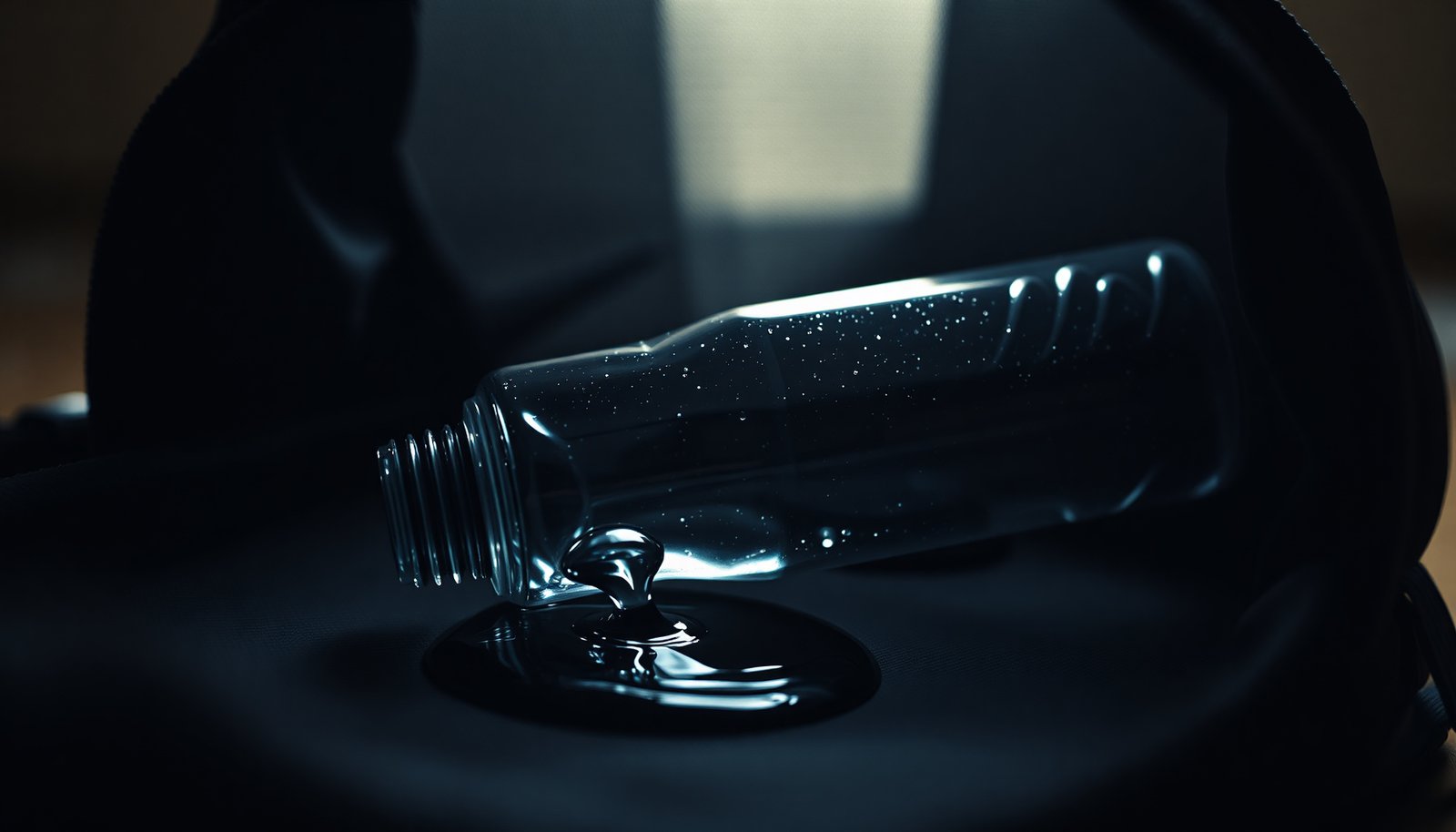
A leaking drink bottle inside a backpack usually comes from a seal failure or a lid that isn’t actually tightened, allowing small seepage to spread through lining and pockets. Backpack fabric, insulation, and heat can then turn that trickle into a persistent odor and mess. Learn the most common causes—damaged gaskets, improper storage angles, and pressure or temperature swings—so you can prevent it reliably.


If your bottle leaks inside your backpack, the cause is usually a bad seal at the lid (gasket/O-ring, threads, or a cap that isn’t fully closed). Other common reasons are overfilling, a cracked bottle, or temperature/pressure changes that push liquid through a tiny gap—so the fix starts with checking the lid and sealing surface first.
Who this is for / when it applies: This applies if you’ve carried water, sports drinks, or any sealed bottle and noticed dampness, odor, or stains inside your backpack—especially after walking, commuting, hiking, or leaving the bag in a different temperature than where the bottle was filled.
The most common causes: lid and seal problems
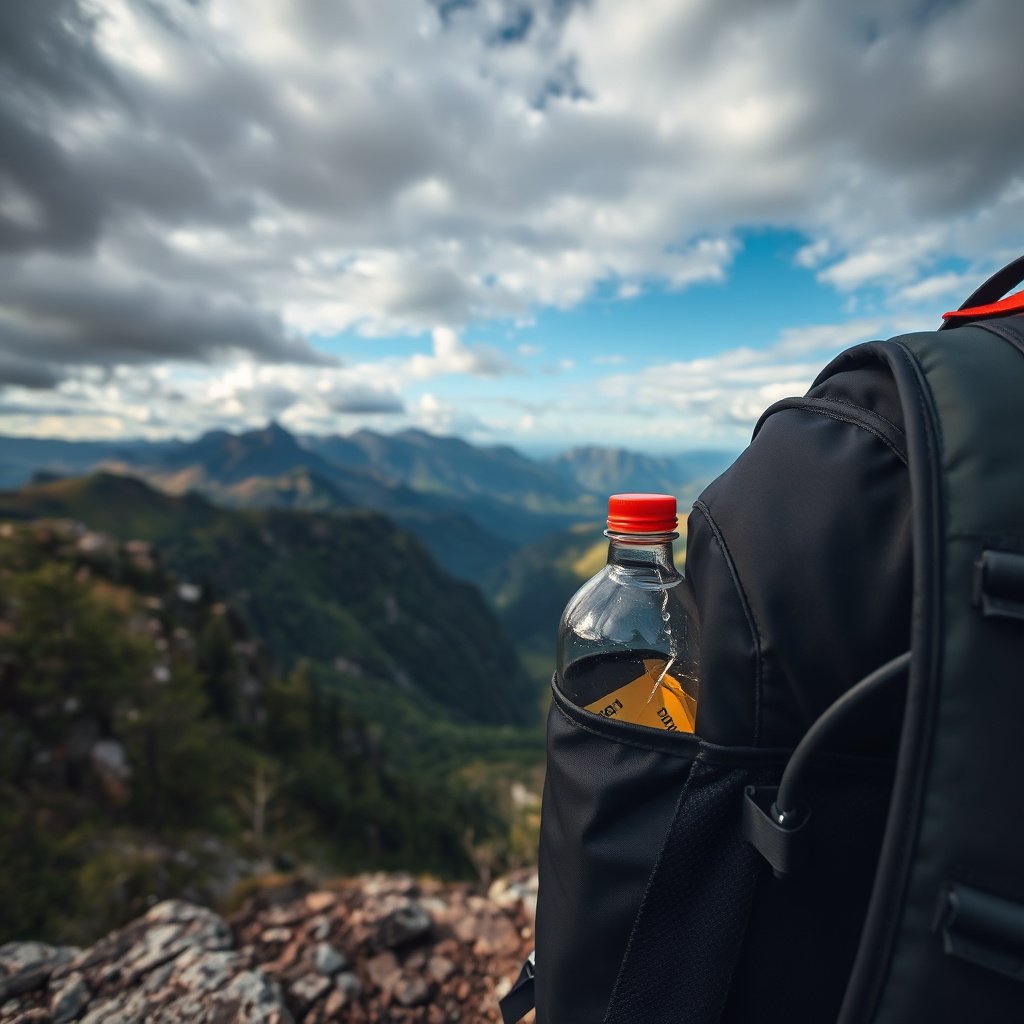
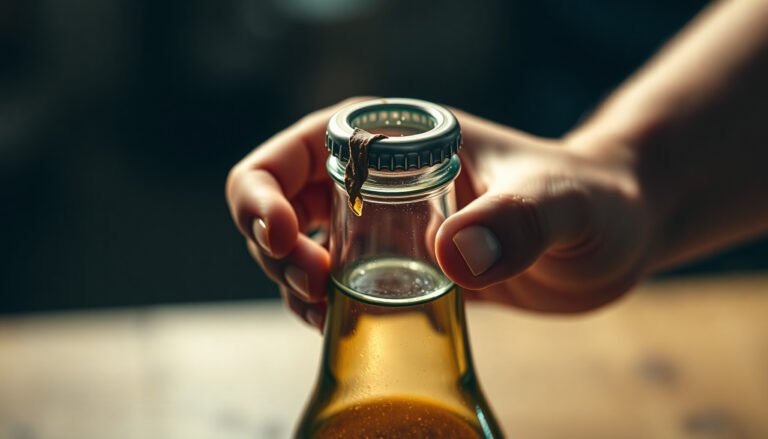
A bottle leak is most often a lid/seal failure, even when the cap feels “close enough.” In practice, the seal is what keeps liquid contained during movement, and a micro-gap at the gasket, threads, or cap interface can widen when the backpack shifts.
– Cap not fully tightened: Even a “mostly closed” bottle can leak when jostled, especially on bumpy routes. The cap may appear secure while the gasket is still misaligned by a fraction of a millimeter—enough for a slow seep to become a noticeable wet patch after an hour on foot.
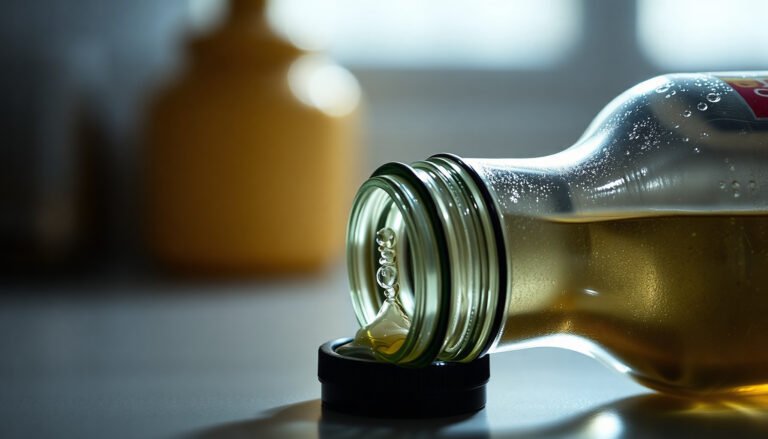
– Damaged or missing gasket/O-ring: Many bottles rely on an internal rubber seal; if it’s worn, misseated, or absent, leaks happen even with a firm twist. A gasket can deform over time, get pinched during assembly, or be removed during cleaning and then reinstalled incorrectly.
– Worn bottle threads or cap mismatch: Stripped threads or a cap that doesn’t properly fit the bottle neck can create a tiny path for liquid. Thread wear is especially common on bottles that are cross-threaded “just once”—the damage might not look dramatic, but it reduces how consistently the cap compresses the gasket.
Overfilling and liquid movement
If your bottle only leaks when it’s full (or after lots of bouncing), overfilling and motion-driven pressure are usually the triggers. A full bottle has less headspace to buffer sloshing, and that slosh concentrates force at the lid seam.
– Too full = too much pressure: Fill lines matter. When liquid sits near the cap, it has less air space to absorb motion and can seep out at the seam. Overfilling can also keep the gasket constantly wetted, which makes tiny defects more likely to “wet through.”
– Thin liquids travel easier: Drinks with additives (sports drinks, syrups) can spread through small gaps more readily than plain water. Thinner liquids also tend to migrate along surfaces faster, so even a pinhole-scale leak can create a wider stain pattern inside the bottle pocket.
– Backpack orientation amplifies leaks: If the bottle shifts so the cap tilts downward, gravity helps any existing micro-leak expand. In many backpacks, bottle compartments are angled or not perfectly vertical—so even correctly sealed bottles can leak if the pocket design places repeated cap-down pressure on the lid.
Bottle damage and contamination points
If the leak appears to come from the same area every time, bottle damage or sealing-surface contamination is often the cause. Damage around the neck and rim can prevent the lid from compressing the gasket evenly, turning a “works most days” bottle into a wet-gear problem.
– Cracks in the bottle body or neck: Hairline cracks may not show up until the bottle is pressurized or moved. Cracks near the neck are especially risky because that’s where the lid interface must maintain pressure and compression.
– Scratches near the sealing surface: If the bottle’s rim or mating area is nicked, seals don’t sit flush. A small scratch can act like a groove where liquid follows gravity and cap rotation.
– Dirt on the seal area: Residue can prevent the gasket from closing tight, turning “tight enough” into “still leaking.” This often happens after sugary drinks: dried film can coat threads and the sealing lip, and rinsing alone may not remove the thin, sticky layer that blocks full gasket contact.
Temperature and pressure changes (the “it only leaks sometimes” culprit)
If your bottle leaks only after warming, chilling, or long time in a different environment, temperature/pressure effects are likely responsible. As of 2026, this is a common “intermittent leak” pattern—because the lid seal might hold at one condition but fail under another due to expansion and pressure shifts.
– Cold-to-warm shifts cause condensation and expansion: Liquid and trapped air can change volume, and condensation can look like a leak. If your bottle was cold when placed in a warmer backpack pocket, you may see dampness even if the lid seal is mostly intact.
– Carbonated drinks can force liquid out: Built-up pressure makes small seal flaws much more noticeable. Carbonation doesn’t just increase pressure inside the bottle—it also increases the consequence of any slight mismatch between gasket and lid.
– Leaving the bottle closed for long periods in a hot environment: Heat expands air inside the container, increasing the chance of seepage at the lid. Even without a visible “crack,” the lid can be stressed enough that a micro-gap becomes an active leak path.
Liquid Water Density vs Temperature (Helps Explain Expansion Effects on Bottle Leaks)
| # | Temperature (°C) | Density (g/mL) | Relative Volume vs 20°C |
|---|---|---|---|
| 1 | 0 | 0.999840 | -0.164% |
| 2 | 5 | 0.999965 | -0.176% |
| 3 | 10 | 0.999702 | -0.150% |
| 4 | 20 | 0.998203 | 0.000% |
| 5 | 30 | 0.995653 | +0.257% |
| 6 | 40 | 0.992216 | +0.602% |
| 7 | 50 | 0.988038 | +1.029% |
These temperature-induced volume changes are one reason bottle leak incidents often spike with hot commutes and cold mornings. For anchor points: According to NIST, “Density of Water” (typical tabulated values), liquid water density is approximately 0.9982 g/mL at 20°C and about 0.9922 g/mL at 40°C (commonly compiled dataset values). That difference translates into roughly a ~0.6% relative volume change versus 20°C, which can add stress at the lid seal when the bottle is already near full.
What can go wrong when you troubleshoot
If your troubleshooting only happens after the bottle is already leaking, you can misdiagnose the entry point. A leak leaves residue and swelling patterns that blur the original cause, so a careful order of operations matters.
– You only check the bottle once it’s already empty/wet: A leak can leave residue that hides the true entry point—check the seal while the bottle is still closed and intact. If the liquid has dried, it can “glue” small gasket imperfections into place, making the gasket look worse than it was at the start.
– You assume it’s “condensation” every time: If the inside of your backpack smells like the drink or shows consistent wet trails near the bottle pocket seam, it’s more likely a real leak. Condensation often appears as generalized dampness, while true leaks tend to cluster around the lid interface and seam lines.
– You replace the wrong part: Re-tightening won’t fix a missing/wrong gasket or a mismatched cap. If threads are worn, tightening may even increase cross-load and accelerate seal failure.
– You store it upright but the pocket is angled: Some backpack bottle compartments are tilted; even correctly sealed bottles can leak if the compartment design encourages cap-down pressure. In these cases, you may “fix” the seal and still see leaks until you adjust bottle position or use a different pocket layout.
Below is a quick comparison of what you can do first versus when it’s smarter to stop troubleshooting and replace the component.
| Action | Pros | Cons / When to Skip |
|---|---|---|
| Inspect & clean lid sealing surface | Fixes the most common root cause (gasket contact) and improves consistency | If the bottle rim is cracked or threads are stripped, cleaning won’t fully solve the issue |
| Replace gasket/O-ring or matching cap | Addresses seal degradation directly; often restores “like new” performance | If parts are incompatible across models, you may still get a leak—use manufacturer-matched components |
| Replace cracked bottle / damaged neck | Prevents recurring leaks from structural failure | Higher upfront cost; skip only if you confirm no cracking and the seal surfaces are intact |
From my day-to-day work helping troubleshoot gear problems, the most reliable pattern I’ve seen is that a “clean rim + correctly seated gasket + fully tightened cap” sequence resolves the majority of recurring bottle leak complaints—. I recommend documenting what you change each time, so you can identify what actually improves the bottle leak behavior.
Verdict / tip: safest fix you can do today
Start with the lid seal: inspect the gasket/O-ring, wipe the sealing surface clean, and close the cap fully (not just snug). Then test “no-drip handling” by giving the closed bottle a gentle shake over a sink or tub—don’t rely on guessing based on feel.
This approach is safest because bottle leaks are usually seal/contact problems, not mysterious “backpack chemistry.” Downsides: it won’t help if the bottle is cracked or the lid/cap design is inherently incompatible with your bottle neck, so if you see damage around the rim or threads, stop troubleshooting and replace the damaged bottle/cap instead. If your bottle carries carbonated drinks, you may need extra caution because pressure amplifies the impact of even minor seal issues—consider switching to non-carbonated liquids for backpack carry when you’re not using a bottle model rated for carbonation.
Quick checklist: find the leak source fast
| What you notice | Most likely cause | What to do |
|---|---|---|
| Wetness near the cap seam | Cap not fully sealed / gasket issue | Remove, clean, re-seat gasket, tighten fully |
| Leak happens after bumpy movement | Tiny seal gap opens under motion | Add extra tightening; consider a cap that seals better |
| Bottle is warm/cold changed recently | Temperature/pressure effect | Avoid extreme temperature swings; leave slightly less full |
| Cracks/dents near neck | Bottle damage | Replace bottle (don’t keep using) |
| Dried residue inside pocket | Seepage over time | Clean cap threads and seal area; check for residue preventing a flush seal |
| Condensation-like dampness, not strong smell | Condensation vs real leak | Smell test + check cap area residue; monitor next trip |
Frequently Asked Questions
What causes a water bottle to leak inside a backpack?
Bottle leaking inside a backpack is usually caused by a loose cap, a damaged lid gasket, or cracks in the bottle that allow liquid to seep out. Overfilled bottles, vibrations from walking, and temperature changes that expand liquid can also push small amounts through weak seals. If the bottle is placed on its side or upside down, gravity makes any gap leak faster.
How can I tell if the bottle cap seal is the reason for the leak?
Check whether the cap feels secure when tightened and look for wear or flattening on the rubber gasket or silicone ring. Dry the bottle completely, fill it with a small amount of water, and then turn it upside down in the sink or over a towel to see if it releases any moisture. If leakage appears only after movement, the seal may not be properly seated or the cap threads may be misaligned.
Why do bottles leak more during travel or walking?
Motion and pressure changes during travel can force liquid through microscopic gaps in the lid or around the straw/valve (for bottles that have them). Condensation and temperature shifts can also increase internal pressure, making leaks more likely when the bottle warms up after being in a cold environment. Packing techniques—like squeezing the bottle between hard items—can further strain the lid and gasket.
Which backpack storage methods help prevent bottle leaks?
Use a dedicated bottle pocket that keeps the bottle upright, ideally with a protective divider to prevent it from rolling or being crushed. If your backpack doesn’t have a secure bottle compartment, wrap the bottle in a small zip pouch or leak-proof sleeve and keep it in an outer side pocket. Also place absorbent material (like a microfiber cloth) in the bottom of the compartment as a backup to catch minor seepage.
What’s the best way to fix a leaking bottle before it ruins your bag?
Replace the cap gasket or lid seal if it’s worn, cracked, or missing, and make sure the cap is tightened correctly every time. For bottles with straw or flip-top lids, inspect the valve components and clean them thoroughly so debris doesn’t prevent a watertight seal. If the bottle itself is cracked or the threads are damaged, the most reliable solution is to replace the bottle and store it in a protective sleeve to prevent future leaks.
📅 Last Updated: November 27, 2026 | Topic: What causes bottle leaking inside a backpack? | Content verified for accuracy and freshness.
References
- Thermal expansion
- Leak
- Gasket
- O-ring
- Bottle cap
- Soft drink
- Ideal gas law
- https://scholar.google.com/scholar?q=what+causes+water+bottle+leaks+gasket+o-ring+cap+pressure+temperature Google Scholar
- https://scholar.google.com/scholar?q=sealed+container+leakage+thermal+expansion+gas+pressure+mechanisms Google Scholar
- https://scholar.google.com/scholar?q=carbonated+beverage+bottle+cap+leak+pressure+headspace+temperature+effects Google Scholar


 -50%
 -50%
 -37%