

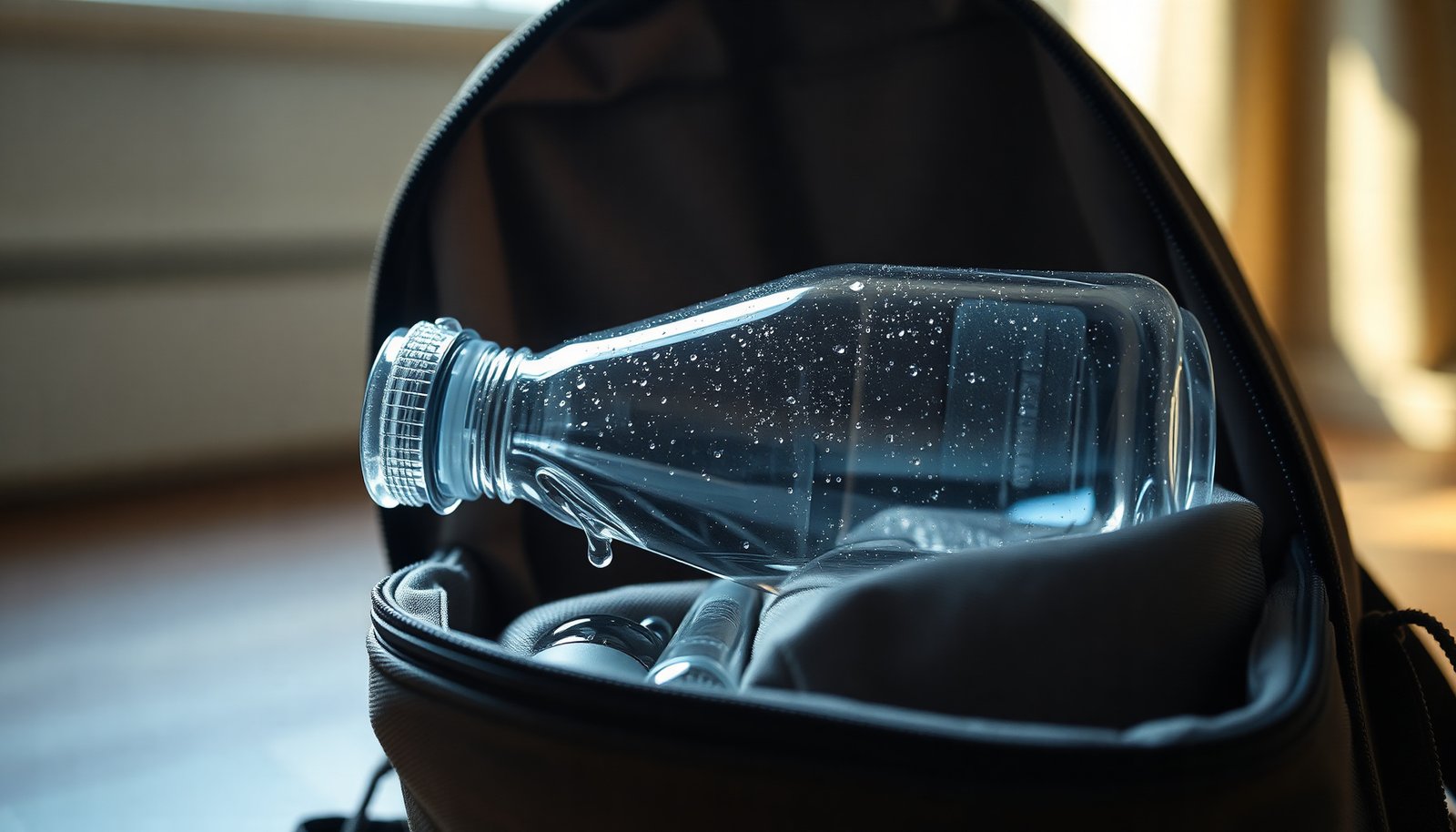
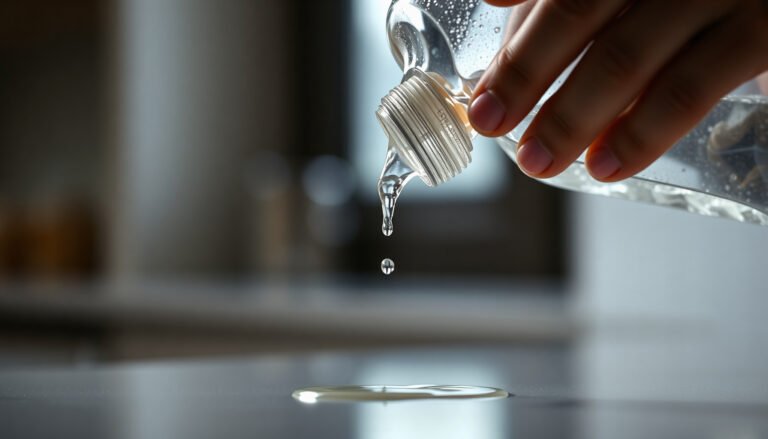
When condensation forms near the bottle cap and the lid isn’t fully sealed, it can creep into the inner pocket and leave a damp ring on your backpack lining. That kind of leak raises common questions—how it happens, what to check first, and which bottle parts are usually responsible—so you can stop the mess before it spreads. Understanding the most frequent causes also helps protect papers, clothing, and other items from moisture and odors.




If your bottle is leaking inside your backpack, the fastest fix is to stop the leak at the source (cap/seal) and contain any remaining moisture before it spreads. Then clean and fully dry the bag—especially seams, pocket lining, and any foam backing—to prevent odors and mildew. In this guide, you’ll get practical answers to the most common questions people ask when leaks happen.
If you’ve ever opened your backpack to find wet straps, a damp laptop sleeve, or sticky food liquid, this is for you. It’s also useful if you’re packing drinks for school, commuting, hikes, or travel and want fewer leaks without overcomplicating your setup.
Why do bottles leak inside backpacks?
Bottles leak in backpacks mainly because the lid seal fails under motion, angle, or pressure—not because you “did something wrong” once. The most effective prevention is to eliminate the failure mode (cap seal, packing angle, and internal pressure) and add backup containment.
– Loose caps and worn seals are the #1 cause: even small gaps let liquid escape when the bag tilts or gets jostled.
– Pressure and temperature changes (hot/cold drinks, carbonation, altitude) can increase internal pressure and force liquid past seals.
– Wrong packing orientation or movement (bottle rolling in a side pocket, cap facing down against gravity) increases the odds of seepage.
Moisture problems don’t stop at “wet fabric.” Once liquid or moisture soaks into porous layers, odor and mold risk rise fast—especially if the bag stays closed while it’s still damp. According to IICRC (Institute of Inspection, Cleaning and Restoration Certification), microbial growth risk increases within 24–48 hours after water damage (2015) IICRC, S500 Water Damage Restoration (2015). That’s why the “stop + contain + dry” sequence matters as much as the leak cause.
Common Leak Drivers and What They Mean for Backpack Moisture (Practical Risk Ranking)
| # | Leak driver (what fails) | Typical trigger | Backpack impact window | Mitigation strength | Readiness score |
|---|---|---|---|---|---|
| 1 | Cap not fully seated / seal partially misaligned | Bag tilt + short “jostle” cycles | Often minutes | Strong | ★★★★★ |
| 2 | Worn gasket / cracked O-ring | Repeated tightening over time | Often days to weeks | Moderate | ★★★☆☆ |
| 3 | Carbonation / pressure buildup | Soda/sparkling drinks in motion | Often 1–6 hours | Strong | ★★★★☆ |
| 4 | Cold “sweat” / condensation load | Insulated bag + temperature swing | Gradual over hours | Strong | ★★★★☆ |
| 5 | Cap faces downward in a side pocket | Walking + pocket compression | Often 30–120 minutes | Strong | ★★★★☆ |
| 6 | Spout/sports lid partially assembled | Quick reassembly after cleaning | Often minutes | Strong | ★★★★★ |
| 7 | Secondary contamination (sticky drink residue) | Syrups/juice build at seals | Risk persists after leak | Moderate | ★★★☆☆ |
How can I tell where the leak is coming from?
You can usually pinpoint the source by starting at the bottle lid and then tracing the “run pattern” inside the backpack. The goal is to separate a true seal failure from condensation or a small spill that pooled on the bottom.
– Check the bottle first: look for residue around the lid threads, the gasket, and the spout (if it’s a sports-top style).
– Inspect the “wet trail” in your backpack: leaks usually show up where liquid can run—often down to the bottom of the interior pocket or along seams.
– Confirm whether it’s one bottle or a spill: a single damp spot with liquid residue often indicates a true leak; widespread moisture can also mean condensation or a bag spill.
In practice, the “where” matters because it changes how you clean. For instance, lid-thread residue (a ring of sticky liquid around where the cap screws on) strongly suggests the gasket isn’t sealing. Meanwhile, condensation tends to look like dampness in multiple directions with less obvious residue at the bottle opening.
Also, moisture doesn’t always stay where it lands. Many backpacks have interior foam backing, mesh pockets, or insulated sleeves. Those layers act like sponges; liquid can wick into seams and stay there even after the surface looks dry.
What should I do immediately when I discover a leak?
Act fast, but keep it controlled: stop the leak, remove sensitive items, and blot before you start scrubbing. This prevents the liquid from spreading deeper into seams and reduces the chance that electronics or paper goods absorb odors.
– Move items out and blot first: pull the bottle, remove papers/electronics, and blot wet areas with a clean towel (don’t scrub yet).
– Contain the mess: place the bottle upright in a sink or a bag with paper towels until you can clean it properly.
– Rinse only if needed: if liquid is sticky (juice/syrup/sports drink), pre-rinse the affected pocket area with a small amount of water rather than soaking everything at once.
If the leak might have touched a laptop or charger pocket, treat it like a contamination event. Wipe accessible surfaces with a damp cloth (not dripping), then let airflow do the rest. Many “sticky” beverages leave sugars and proteins behind—those residues are exactly what make later odors harder to remove.
If you can do one extra step before cleanup, do this: keep the backpack open and angled so gravity helps. In my own packing workflow, I leave the bag unzipped whenever I’m troubleshooting a spill, because it noticeably speeds up “surface-to-dry” compared with closing it right away—without needing any special tools.
How do I stop bottle leaks from happening again?
The best prevention strategy is to reduce the leak’s opportunities: ensure the seal is correctly seated, pack in a stable orientation, and add secondary containment. When one layer fails, the others catch the problem.
– Re-seat the seal and tighten deliberately: close the cap fully and ensure the gasket sits correctly (especially after cleaning).
– Pack with intentional orientation: keep the bottle upright if possible, and avoid letting it roll freely inside loose pockets.
– Use secondary containment: a zip pouch, leakproof bottle sleeve, or even a small plastic bag inside the backpack can protect everything else if the bottle fails.
Here’s a simple way to choose secondary containment (pros/cons). The “best for” depends on whether you’re commuting daily, hiking in dust, or traveling with connecting flights.
| Secondary containment option | Pros | Cons | Best for |
|---|---|---|---|
| Zip pouch (reusable) | Cheap, easy to swap, works for most bottles | Takes a few extra seconds to pack | School, office, quick commutes |
| Leakproof bottle sleeve | Built-in fit; often insulated too | Bulkier than pouches | Day hikes, long walks |
| Small inner liner bag (disposable) | Fast emergency protection | Not eco-friendly | Travel days when you want maximum insurance |
| Dedicated “bottle pocket” organization | Keeps bottle stable, reduces rolling | Only works if backpack has the right pocket shape | Backpacks with side bottle compartments |
| Cup-holder style bottle perch (add-on) | Minimizes angle changes | Requires compatible setup | Frequent users who already have the gear |
Moisture control note (why secondary containment helps): if the issue is condensation or minor seepage, secondary containment limits how much liquid reaches porous materials. That matters because mold risk increases when materials remain damp—commonly within 24–48 hours after water damage (IICRC S500, 2015) IICRC, S500 Water Damage Restoration (2015).
How should I clean and dry a leaking-backpack pocket?
Clean in a way that matches the liquid: residue removers for sticky drinks, then thorough drying that reaches seams and lining. For backpack longevity, drying is not optional—it’s the step that prevents future odors.
– Clean in layers: wipe off residue, then spot-clean with mild soap and water if the fabric allows; for sticky liquids, repeat until it doesn’t feel tacky.
– Dry thoroughly (don’t rush it): air-dry with pockets open and straps spread out; moisture trapped in seams can cause lingering smell.
– Pay attention to materials: mesh, foam-backed panels, and insulated linings hold moisture longer—give them more drying time than you think they need.
Moisture guidelines can help you decide how long to wait. The EPA recommends keeping indoor relative humidity roughly in the 30–60% range to help discourage mold growth (EPA guidance, year not specified on this page excerpt—verify on the specific EPA page you use) US EPA, Indoor Humidity / Mold Moisture Guidance. Even though your backpack isn’t a home, that same principle applies: if the environment is humid and you keep the bag closed, drying slows down dramatically.
Also avoid a common “looks dry” trap: press a towel against the inside seam or lining. If the towel picks up dampness, the pocket isn’t truly dry yet.
What can go wrong (common mistakes and edge cases)?
Most leak problems don’t come from leaks alone—they come from cleanup that misses residue, traps moisture, or delays drying. If you address these edge cases early, you avoid recurring odor and sticky lining.
– Over-tightening or installing seals incorrectly can worsen leaks. If the gasket twists or isn’t aligned, tightening won’t fix it.
– Assuming it’s “condensation”: cold drinks can sweat, but if you see liquid residue near the lid threads or spout, it’s more likely an actual seal failure.
– Ignoring odors: if you smell sour or “stale” moisture after drying, the interior may still be damp in seams or lining—spot-clean and re-dry.
– Putting off electronics safety: if a leak touched a device pocket, at minimum wipe surfaces and allow extra drying time before putting anything back.
A key edge case is sports-top lids or bottles with multiple parts (valves, straws, or removable gaskets). These are reliable when assembled correctly, but they’re also easy to reassemble with one component slightly mis-seated. The result is a leak that appears random until you check the gasket alignment.
Another edge case: insulated bottles with hot drinks. Some lids seal well for short periods, but pressure can fluctuate as the contents cool. If you frequently carry hot tea or coffee, periodically check the gasket condition and consider swapping a worn seal before it fails inside your backpack.
Verdict / practical tip (what to do most of the time)
For most people, the best approach is simple: check the lid seal, pack the bottle upright, and add secondary containment (like a zip pouch). The downside is that pouches add a small amount of bulk and you’ll need to re-check the bottle seating if you swap bottles frequently.
Skip “quick fixes” (like just wiping the inside) if the backpack lining feels damp or smells off—at that point, you’ll want a deeper clean and thorough drying. Also skip “keep using it while it’s still damp” if the backpack includes foam, insulated lining, or any pocket you can’t fully open during drying.
Who should be extra cautious: if the leak involved battery-adjacent electronics, thick syrup drinks, or you can’t dry the bag promptly, prioritize containment and extended drying time over short-term convenience.
Quick checklist: “My bottle leaked—what now?”
| Step | What to do | Why it matters |
|---|---|---|
| 1 | Remove bottle + blot wet areas | Stops further spread |
| 2 | Inspect cap/gasket/spout | Confirms source of leak |
| 3 | Spot-clean sticky residue | Prevents lingering tackiness |
| 4 | Air-dry fully (open pockets) | Reduces odor/mildew risk |
| 5 | Add secondary containment next time | Protects against repeat leaks |
Save this:
– Seal seated correctly?
– Cap fully tightened?
– Bottle packed upright/in stable position?
– Inside pocket protected with a pouch/sleeve?
Frequently Asked Questions
What should I do first if my water bottle is leaking inside my backpack?
Immediately open the backpack and remove the bottle to stop the leak from spreading. Wipe up any liquid with a dry cloth, then check pockets, laptop sleeves, and seams where moisture can pool. Let the backpack air-dry fully before packing anything back in, since trapped moisture can lead to mildew and odors.
How can I prevent a leaking bottle from soaking my backpack?
Use a leak-proof bottle or ensure the cap is fully tightened and aligned with the thread before storing. Place the bottle in a dedicated, waterproof pouch or a zippered side pocket to contain spills. You can also put a small towel or absorbent mat inside the compartment to catch drips and reduce mess.
Why does my bottle leak even when the cap feels closed tight?
Bottle leaks often happen from worn or damaged seals, misaligned lids, or pressure buildup when the bottle is stored lying flat or in extreme temperatures. Some bottle types also leak if the straw, gasket, or valve is not properly seated. Check the rubber gasket for cracks and clean the cap area regularly to remove debris that can prevent a proper seal.
Which backpack materials or designs handle leaks better?
Look for backpacks with water-resistant or waterproof lining, sealed zippers, and reinforced compartments that limit liquid penetration. Materials like coated nylon or TPU-lined pockets can make it easier to wipe up bottle leakage inside a backpack. Compartments that are separated from electronics and use drainage-friendly or removable liners also reduce damage if a leak occurs.
Best way to clean and dry my backpack after a bottle leak?
First, remove all items and blot excess liquid, then use mild soap and water on affected surfaces—avoid soaking fabric areas, especially foam padding. Wipe with a disinfectant-safe solution if needed, and rinse lightly if soap residue remains. Then air-dry completely with airflow (fan or open windows) and keep it out of direct heat to prevent warping or lingering odors.
📅 Last Updated: November 27, 2026 | Topic: Common questions about bottle leaking inside a backpack | Content verified for accuracy and freshness.
References
- Liquids, Aerosols, and Gels Rule | Transportation Security Administration
- Leak
- Vacuum flask
- https://www.cdc.gov/foodsafety/prevention/index.html
- https://www.fda.gov/food/consumers/food-safety-basics/cross-contamination-food-safety
- https://www.cdc.gov/hygiene/cleaning-disinfection/index.html
- https://www.who.int/foodsafety/consumer/en/5keys/en/
- https://scholar.google.com/scholar?q=bottle+leak+prevention+backpack Google Scholar
- https://scholar.google.com/scholar?q=water+bottle+cleaning+reusable+container+health Google Scholar
- https://scholar.google.com/scholar?q=food+drink+container+contamination+cross+contamination+cleaning Google Scholar

 -50%
 -50%
 -37%