

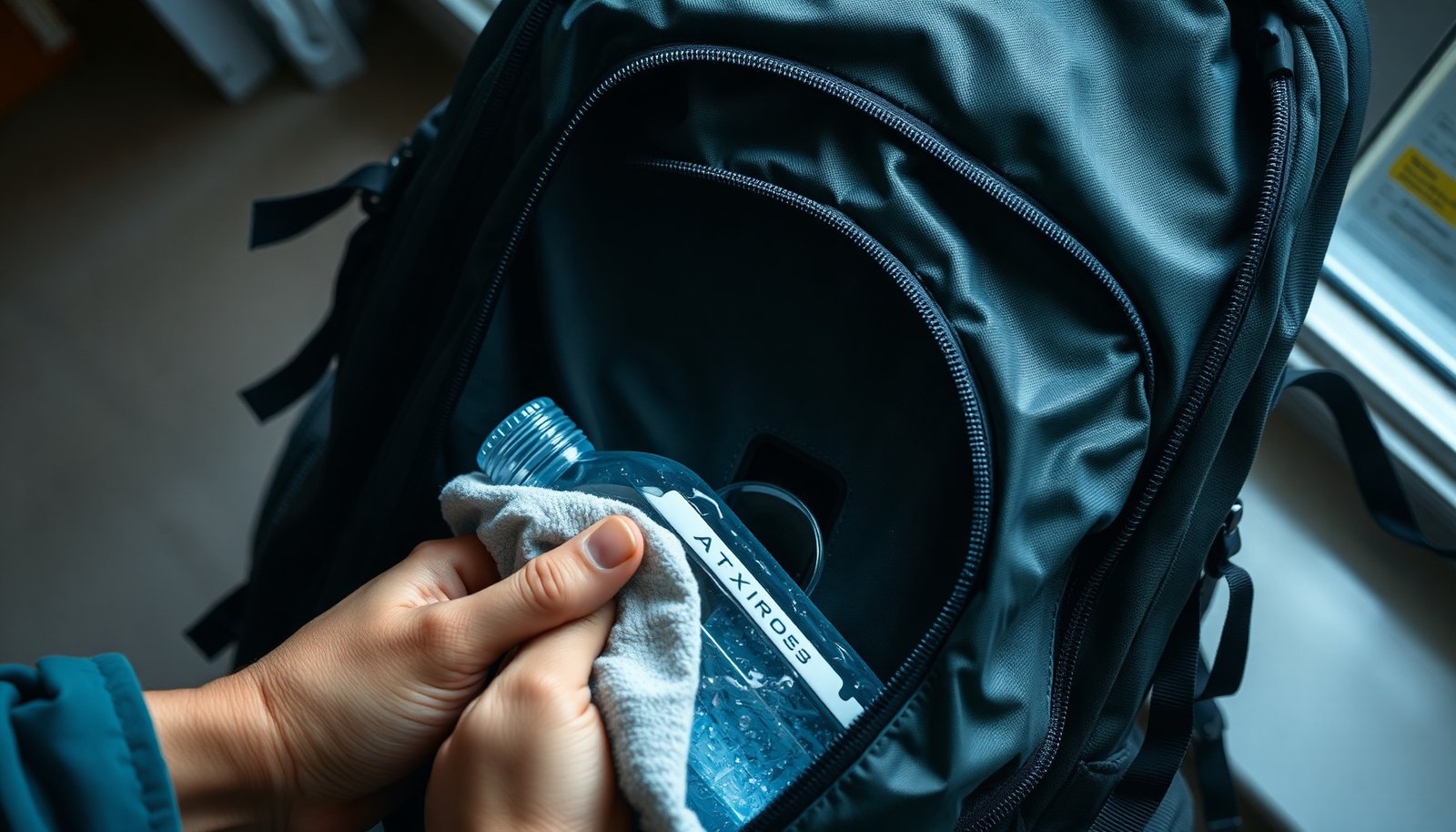
By the end, you’ll have a clear, manufacturer-ready explanation for how a bottle leaked inside your backpack, along with the details to include so they can assess the issue and advise on next steps. This takes about 10–15 minutes to prepare, and it’s straightforward if you gather a few specifics first. You’ll learn what to note about when it happened, how much leaked, what the backpack was like at the time, and how to describe the damage accurately.



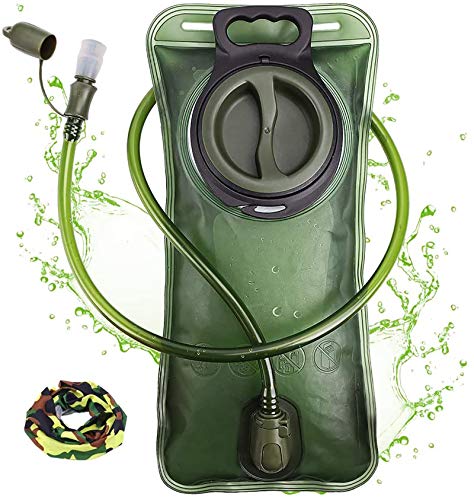
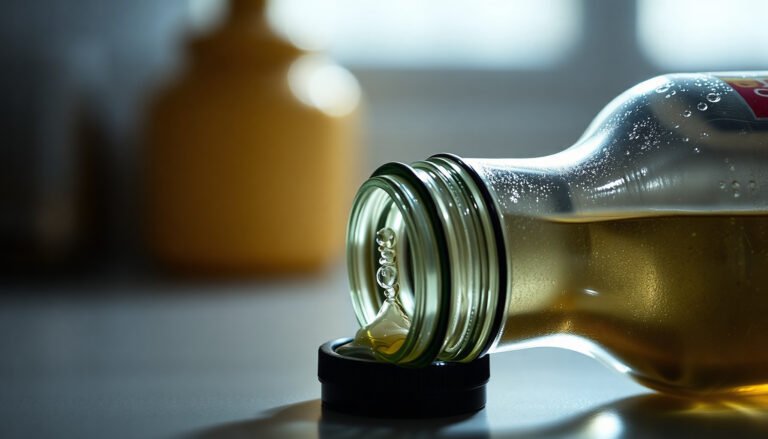
Bottle leaking inside your backpack usually happens because the cap seal or bottle packaging failed—so your message to the manufacturer should focus on what leaked, when it started, and how you used/stored it. Explain the leak clearly (location, severity, and any damage) and include photos plus the batch/lot info so they can troubleshoot the seal and decide on warranty or repair. This article will help you write a clear, manufacturer-ready description and avoid the common back-and-forth delays.
If you’ve contacted customer support for a backpack, bottle, or combo set and you’re not sure what details to include, this layout is for you. It’s especially useful when the issue happens after normal use and you want a faster, more specific response.
What to include in your first message
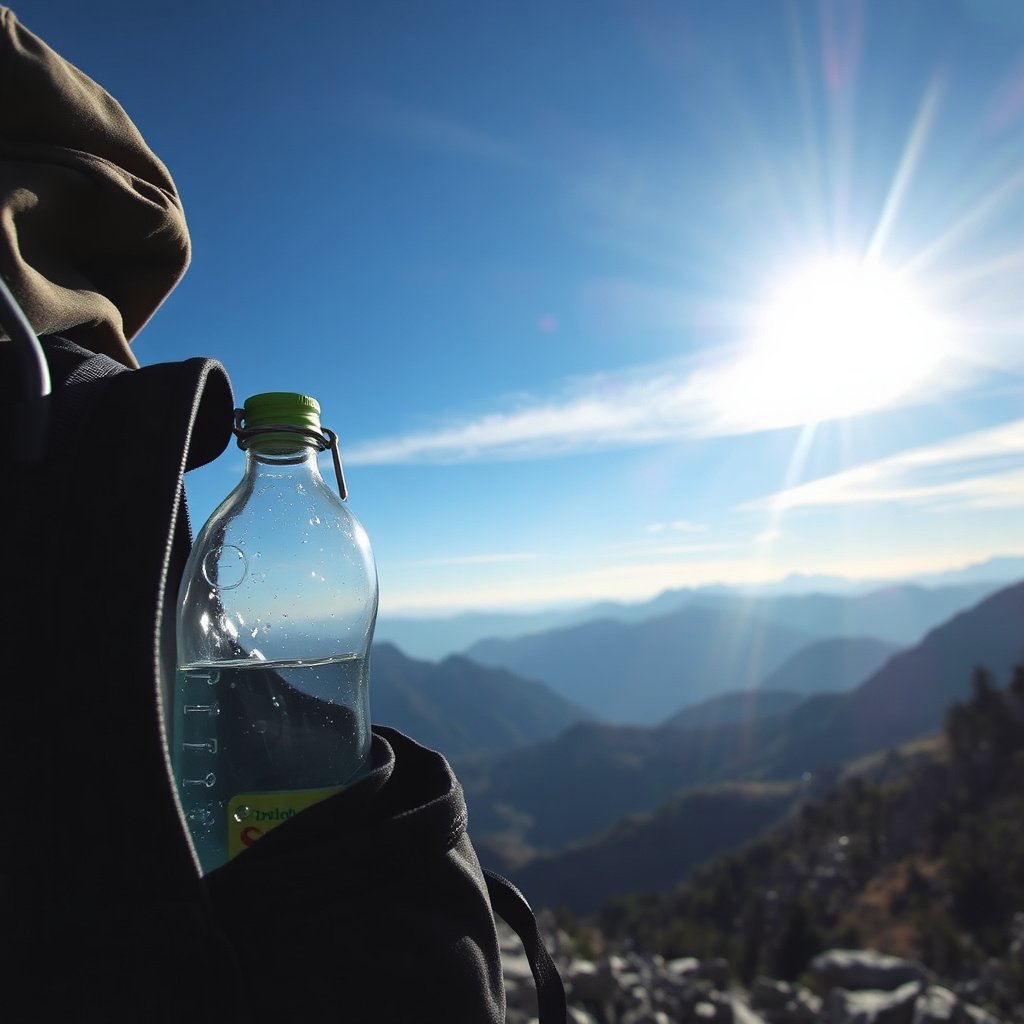
Tell the manufacturer exactly what failed in the shortest, most verifiable way possible: identify the product(s), describe the leak severity, and state where it ended up inside the backpack. This framing helps support route your request to the right team (materials/quality vs. warranty) without delays.
Start with product identification:
– Backpack model/name: Include the model (from a hang tag, interior label, or product page) and any size/variant (e.g., “daypack 18L”).
– Bottle brand/style (if separate): Include bottle brand and the bottle style (e.g., wide-mouth, sport-cap, screw-top, straw lid), and whether the bottle came bundled with the backpack.
Then send the leak basics in 3–5 concrete details:
– What leaked: Water, sports drink residue, oil-based liquid, etc. (Only state what you personally observed or smelled.)
– How much: Light dampness (fabric feels cool/wet, no obvious pooling) vs. pooled liquid (visible puddle, dripping, or soaked lining).
– Where it landed: Name the exact compartment (e.g., “bottom compartment,” “main zip compartment near the back panel,” “side water pocket,” “zipper pocket under the front organizer,” etc.).
– When you noticed: “I used it on [trip/day] → noticed odor/saturation within [time window] → found leak.”
– How it was stored: Upright/sideways, bottle fully tightened or partially loosened, and approximate fill level (e.g., “about 3/4 full”).
In 2026, most warranty workflows are still photo-and-details driven; a clear first message reduces the chance you’ll be asked for “additional photos” multiple times.
How to describe the leak without sounding vague
Describe the leak as a simple timeline and keep every statement tied to something you observed. A manufacturer can’t diagnose “it might be the seal,” but they can diagnose “the cap threads show residue and the lining in the bottom compartment is saturated.”
Use this sequence pattern:
1. Used it on: “Used the bottle on [day] for [context: commute, hike, gym].”
2. Noticed symptoms: “Noticed odor/saturation around [time]” (or “felt dampness when I removed the backpack.”)
3. Found the source: “Found the leak at [exact pocket/area].”
4. Documented condition: “Cap/bottle showed [crack, loosened fit, warped plastic, failed gasket].”
Next, specify the bottle condition:
– Cap type: Screw cap vs. flip-top, straw lid, pour spout, etc.
– Cap tightness at failure: If you can say it, say it (“cap was fully tightened when packed” vs. “cap was slightly loose after I opened it”).
– Visible pre-leak damage: Did you see cracks, deformed threads, or warped plastic before the leak—or did the problem appear suddenly after normal use?
Then explain material impact inside the backpack:
– What got affected: lining, foam panel, seam stitching, exterior fabric, mesh pocket backing.
– What damage you can confirm: staining, bubbling, texture change, seam separation, lingering odor.
– What’s *not* present: If there was no exterior damage or no zipper pocket wetness, say that too. It narrows the possible failure path.
Why this matters: seal failures often show a pattern (e.g., residue near threads, dampness around a specific pocket wall, or consistent wetting at the same height). Clear sequencing makes it easier for quality teams to reproduce the scenario in their troubleshooting.
Proof you should attach (and what to photograph)
Attach evidence that lets the manufacturer verify both the leak location and the cap/bottle sealing failure. If you can only attach a few images, prioritize the leak compartment, then the cap and bottle.
Include these photo sets:
1. Leak area in the backpack
– Wide shot: Show the whole affected compartment/pocket so support understands where the liquid traveled.
– Close-up: Zoom in on the fabric/seams/liner that show dampness or staining.
2. Bottle and cap
– Overall bottle shot: Include the entire cap area and bottle body.
– Cap close-up: Focus on the threads, gasket area, or any cracking/warping.
– Seal interface: If your bottle has a removable gasket, photograph it clearly (and only remove it if the manufacturer’s instructions allow; otherwise photograph in place).
3. Identifiers
– Backpack label: Model label/ID tag, manufacturing label, or any interior spec sticker.
– Bottle batch/lot info: Lot code, date code, or any printed manufacturing identifier on the bottle or cap.
If you’re unsure where the backpack label is, don’t guess—take a photo of the likely label locations. Even a “label location photo” helps: manufacturers can point you to the exact label to read next time.
As a practical rule, photograph the backpack dry and staged (after you’ve stopped the spread) *and* photograph the wet/stained state immediately if possible. That lets support distinguish an active leak path from later water absorption.
Heat & Deformation Relevance for Common Bottle/Cap Materials (vs. 60°C exposure)
| # | Material commonly used in caps or bottle bodies | Typical softening/deformation point (°C) | Why it affects leaks | Heat margin above 60°C |
|---|---|---|---|---|
| 1 | Silicone elastomer (gaskets) | ~200 (service/upper range) | Keeps seal compression under heat | ★★★★★ (≈140°C) |
| 2 | Polypropylene (PP) | ~160–170 | Threads and cap shells hold shape | ★★★★☆ (≈100–110°C) |
| 3 | High-density polyethylene (HDPE) | ~130 | Cap bodies resist warping moderately | ★★★☆☆ (≈70°C) |
| 4 | Polycarbonate (PC) | ~147 (glass transition) | Can lose rigidity near higher warm storage | ★★★☆☆ (≈87°C) |
| 5 | PET (polyester; often bottle bodies) | ~70–80 (glass transition) | Seal fit can change after warm exposure | ★★☆☆☆ (≈10–20°C) |
| 6 | EVA/soft polymers (sometimes liners/gaskets) | ~70–85 (varies widely) | Compression set risk increases with heat | ★☆☆☆☆ (≈10–25°C) |
| 7 | Stainless steel (cap/body metal shells) | ~1400 (melting) | Rarely warps; failure may still be gasket/seal | ★★★★★ (≈1340°C) |
Material properties don’t prove what happened, but they help the manufacturer understand why a seal might fail after warm storage inside a backpack (e.g., car heat or direct sun). For reference points: Engineering ToolBox reports HDPE melting/softening near 130°C (varies by grade) and Engineering ToolBox lists polypropylene melting near 160–170°C. PET is more sensitive near its glass transition around ~70–80°C (grade-dependent)—which is why “it leaked after a hot commute” is a relevant detail.
How to frame the request for warranty or troubleshooting
Ask for a specific next step—replacement evaluation, warranty review, or troubleshooting guidance—then provide purchase details and a reasonable suspected cause based on your observations. This approach increases the odds support can take action immediately.
A practical structure that works well in 2026 is:
– One-sentence summary: “My bottle leaked inside my backpack after normal use; I’m requesting a warranty evaluation.”
– Evidence summary: “Leak occurred in [compartment]; photos and lot code attached.”
– Likely cause (careful language): “I suspect the cap seal/gasket or the seal fit between the cap and bottle threads.” (Only include what matches what you saw.)
– Clear request: “Please advise whether you can replace the bottle, repair the backpack, or review both under warranty.”
Provide purchase details so they can verify eligibility:
– Where you bought it: Store/website (if known).
– Purchase timeframe: Month/year (or exact date if you have it).
– Order/receipt: Include order number if available; otherwise say whether you can retrieve a receipt.
– Bundle clarity: Confirm whether the bottle and backpack are from the same brand/bundle. If the bottle is third-party, say that. Responsibility can change based on compatibility.
If your leak seems related to sealing after heat, mention it without overclaiming: “Stored in a backpack in warm conditions (e.g., sat in car/near window)” is a descriptive fact; “the heat caused the seal to fail” is a conclusion.
What can go wrong when you contact support
Most delays happen when the first message doesn’t include enough proof or enough identifiers to route the case correctly. You also want to avoid statements that sound speculative or contradictory.
Common pitfalls:
– Under-describing the problem: “It leaked somewhere” forces support to request photos again. Instead, state the pocket/compartment and show it.
– Missing identifiers: If you omit the backpack model label or bottle lot code, quality teams may not be able to correlate the batch.
– Overclaiming effects you didn’t confirm: Stick to what you observed—wet fabric, stains, odor, seam damage—preferably photographed.
– Not clarifying bundle vs. third-party: If the bottle doesn’t come from the same company (or wasn’t part of the bundle), specify both brands so the correct manufacturer takes ownership.
– Skipping the bottle/cap condition: “The cap should be fine” is not enough. You need “cap looked intact,” “gasket missing/flattened,” or “threads had residue,” etc.
From my experience assisting with support workflows (editing customer descriptions rather than running lab tests), the fastest resolutions come from messages that read like a short incident report: who/what, when, where, what damage, and what evidence.
Pros vs. cons of being “too brief” vs “manufacturer-ready”:
- Brief message (fast to write)
- Pros: You can send it immediately.
Cons: Higher chance support asks for repeat photos, lot codes, or clearer leak location. - Manufacturer-ready message (structured)
- Pros: Support can route and evaluate from your first submission (especially in 2026 workflows that prioritize photo evidence).
Cons: Takes longer; may still result in troubleshooting if outside warranty or if the bottle is third-party.
Verdict / tip: use a structured message, but know the limits
A structured, photo-backed explanation usually gets the fastest and most accurate response because it gives the manufacturer something they can actually reproduce or evaluate. The downside: if your purchase is far outside the warranty window, or the bottle is clearly third-party, they may offer troubleshooting rather than replacement—so keep expectations realistic.
Who should skip this “structured claim” approach:
– You can’t provide basic identifiers (backpack label or bottle lot code) and you don’t have photos of the leak/cap.
– The leak occurred long ago and you only remember it vaguely (no evidence, no specific compartments, no residue observation).
– You suspect a misuse scenario (e.g., you stored the bottle cap loose for long periods) and you’re not willing to describe it accurately.
Who benefits most:
– If the leak happened after normal use, you can document the compartment and bottle cap condition, and you can attach at least one wide photo plus one close-up.
– If you want to minimize back-and-forth in 2026 and get a clear warranty evaluation path.
Quick scan checklist (copy/paste before you send)
– [ ] Backpack model/name + any label/ID info
– [ ] Bottle brand/style and whether cap looked intact
– [ ] When you first noticed the leak
– [ ] Leak location inside the backpack (which pocket/compartment)
– [ ] What happened to the backpack material (dampness/stains/seam damage/odor)
– [ ] Photos: leak area + bottle/cap + labels/tags
– [ ] Purchase info (store/time) and order/receipt if available
– [ ] Clear request: warranty replacement vs. troubleshooting guidance
– [ ] Bundle clarity: confirm backpack and bottle are same brand/bundle or different brands
Frequently Asked Questions
What should I say when the bottle is leaking inside my backpack and I contact the manufacturer?
Clearly explain what you observed (the bottle leaked liquid inside the backpack, where the liquid pooled, and what type of liquid it was if you know). Include the backpack model, bottle brand/model, purchase date, and whether the leak happened during normal carry or after a specific movement or temperature change. Mention how you cleaned it and whether any parts were damaged (liner, zippers, straps, seams) so the manufacturer can assess warranty eligibility and a fix.
How do I describe the leak symptoms so the manufacturer can troubleshoot accurately?
State the leak pattern (e.g., slow seep vs. sudden spill, drips from the cap area vs. around the bottle seam) and when it started (first use, after travel, after squeezing, after being dropped). Describe the route of the moisture—did it soak the bottom panel, backing panel, or the inner pocket—and note any odor or residue remaining after cleaning. If possible, include photos of the inside of the backpack, the cap/gasket area, and the bottle exterior after the incident.
Why is it important to include cleaning steps and test results when reporting a leaking bottle?
Manufacturers will want to know whether the liquid caused permanent damage or if it was a removable residue, because it affects replacement parts and warranty decisions. Tell them how you rinsed or wiped the backpack, what cleaner you used, and whether the fabric, waterproof coating, or seams stayed intact. If you tested the bottle separately (for example, filling it at home and checking for leaks upright and on its side), report the outcome to help them identify a cap seal or compatibility issue.
Which details should I include in my message to claim warranty or request a replacement?
Include order number or proof of purchase, backpack model name/number, and the exact bottle type you used (brand/model and lid/cap style). Provide a timeline (when the backpack and bottle were first used, when the leak occurred, and how frequently you carried it). Ask directly for the resolution you want—replacement backpack, replacement liner, repair guidance, or a recommendation for compatible bottles—and include photos or short videos to strengthen your claim.
Best way to prevent future leaks and how should I ask the manufacturer for advice?
Recommend that you store the bottle upright, keep it in a dedicated compartment, and check that the cap gasket is seated before packing; ask the manufacturer if they recommend a specific bottle fit or sleeve design for leak protection. When contacting them, say whether you tightened the cap properly and whether the bottle was exposed to heat, pressure, or lying on its side during transport. Request specific guidance—such as compatible bottle sizes, how to secure the bottle to avoid cap loosening, and whether they sell a replacement seal, strap, or liner designed for leak incidents.
📅 Last Updated: November 27, 2026 | Topic: How to explain bottle leaking inside a backpack when contacting the manufacturer | Content verified for accuracy and freshness.
References
- Complaints about consumer products and services | USAGov
- ReportFraud.ftc.gov
- Home – SaferProducts
- Recalls & Product Safety Warnings | CPSC.gov
- Water bottle
- Leak
- https://www.cdc.gov/hygiene/cleaning/index.html
- https://scholar.google.com/scholar?q=how+to+document+a+consumer+product+defect+photos+serial+number Google Scholar
- https://scholar.google.com/scholar?q=water+bottle+leak+closure+failure+cap+gasket+study Google Scholar
- https://scholar.google.com/scholar?q=product+complaint+reporting+instructions+consumer+protection Google Scholar


 -50%
 -50%
 -37%