

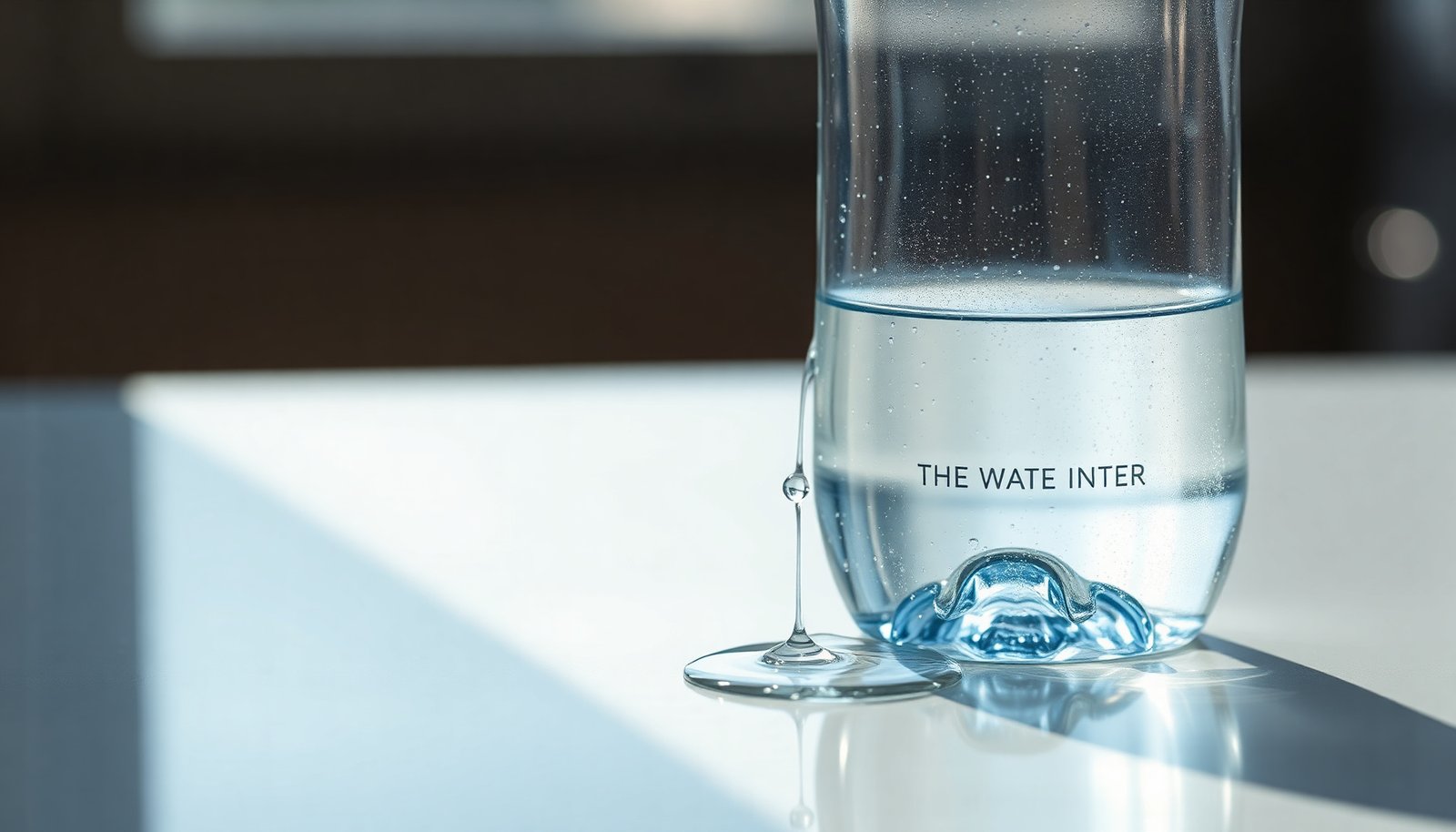
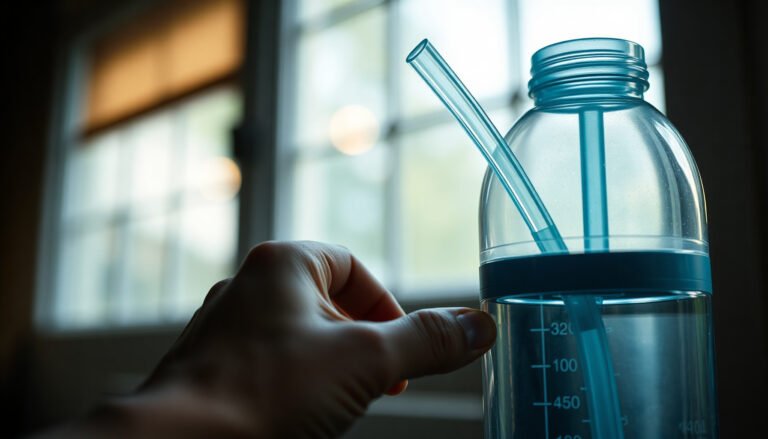
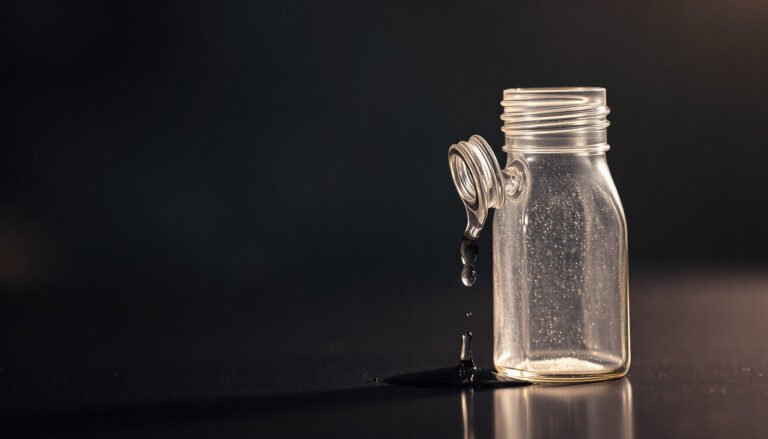
A plastic water bottle leaking from the lid is usually not a “bad bottle” problem—it’s almost always a sealing issue at the closure. Most people assume the bottle is cracked, but the most common cause is the lid’s rubber gasket or threads not sitting correctly, often after repeated opening, cross-threading, or a missing/damaged seal. When the seal isn’t fully compressed, water finds the tiny gap and escapes around the rim.


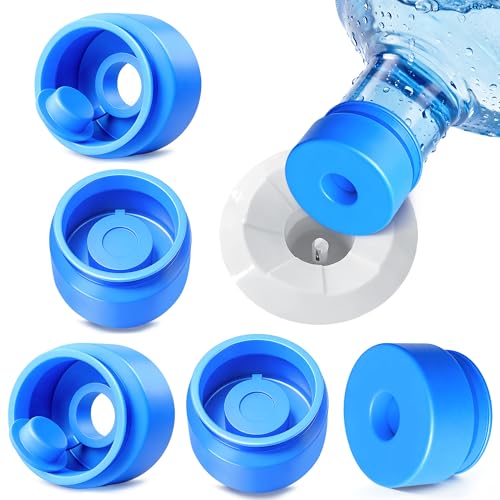
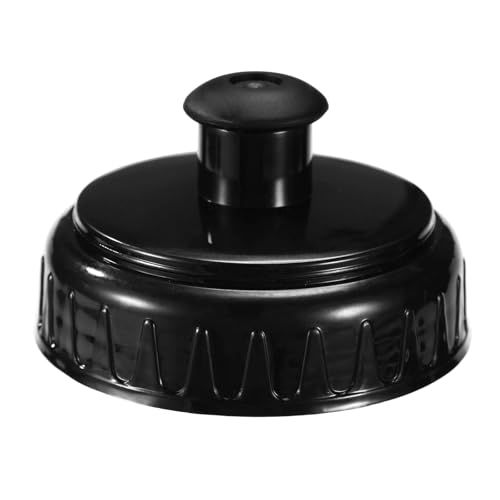
If your water bottle is leaking from the lid, the problem is usually a bad seal—most often a worn, misaligned, or dirty gasket—or a lid that isn’t fully tightened. In this guide, you’ll learn the most common causes of lid leaks and a quick checklist to fix them safely without damaging your bottle.
This is for anyone using a plastic reusable bottle (sports bottle, everyday water bottle, or similar) who notices water escaping around the lid seam during normal use, in a bag, or while sipping. It’s also helpful if you’ve cleaned the bottle but the leak keeps coming back.
Common causes: lid seal, gasket, and alignment
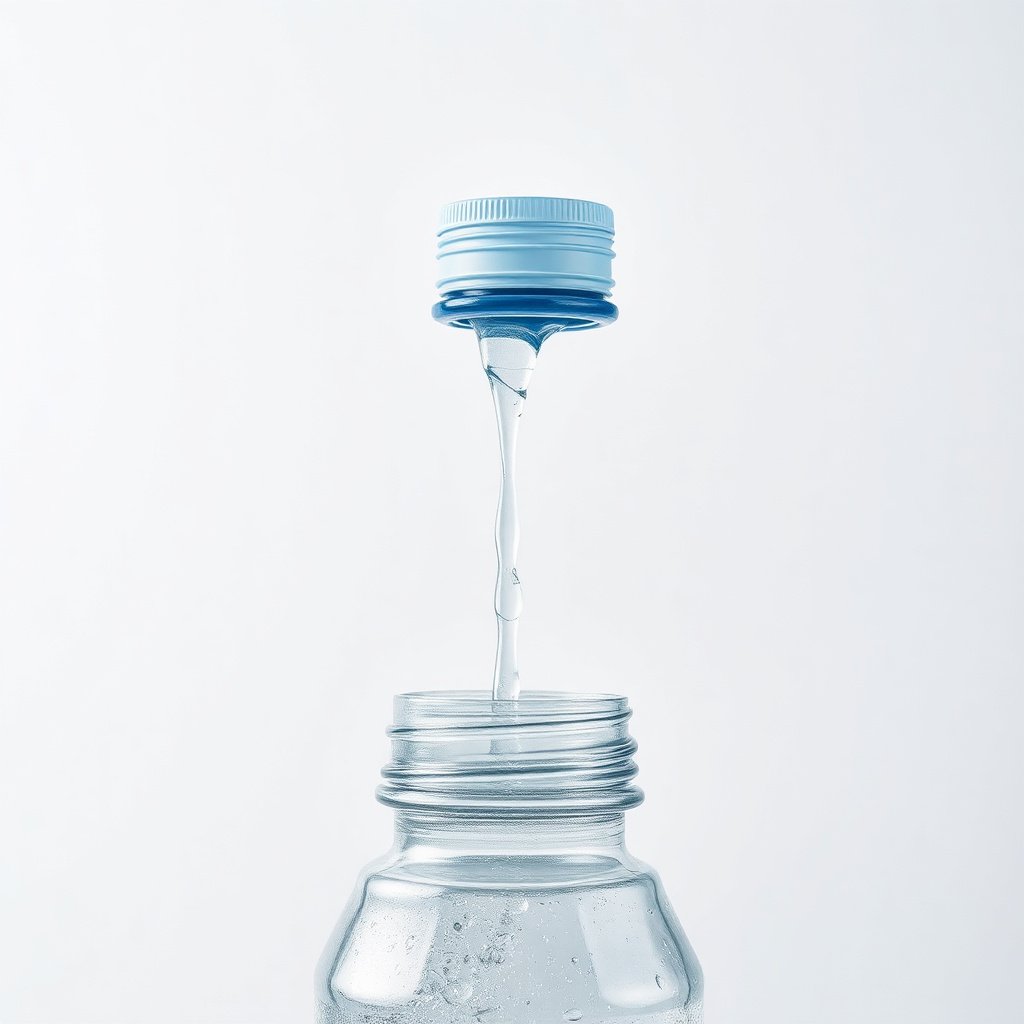
A leaking lid on a plastic water bottle usually happens when the seal at the lid interface can’t maintain full contact around the circumference. In most cases, that means the gasket (the rubber ring/liner) is compromised, the lid isn’t tightened evenly, or something is preventing the seal surface from sitting flat.
Here are the most common causes we see with plastic water bottle lids in day-to-day use:
– A worn, cracked, or stretched gasket: Over time, the rubber ring/liner can lose elasticity (including “compression set,” where rubber doesn’t fully spring back after being pressed). Even if it still “looks” intact, it may not seal under pressure or movement.
– Misalignment when you re-seat the lid: A tiny tilt during closure can leave one side slightly unsealed. With a plastic water bottle in a bag, that gap becomes an escape route.
– Dirt and mineral buildup in the sealing groove: Mineral deposits from hard water can act like sandpaper under the gasket, preventing complete contact. Oils and residue from cleaning can do the same.
Also consider what “leaking from the lid” means on a plastic water bottle:
– If water appears right at the seam, it often points to the gasket groove or lid liner.
– If water seems to come from around the threads, it’s frequently a tightness/flattening issue (or a gasket that isn’t compressing evenly).
– If it leaks only from sipping/valve areas, the problem may be inside the lid mechanism rather than the outer seal.
Check the lid and gasket in minutes
Most lid leaks on a plastic water bottle can be resolved by re-checking the gasket orientation and ensuring even tightening. Start with a fast inspection before you clean anything more aggressively, because you’re looking for obvious mis-seating, twisting, or debris stuck in the seal groove.
Quick inspection steps (safe and practical)
– Remove the lid and inspect the gasket (rubber ring/liner) for tears, flattening, twisting, or distortion.
– Check that the gasket sits flat in its groove—if it’s bunched on one side, the plastic water bottle lid won’t seal uniformly.
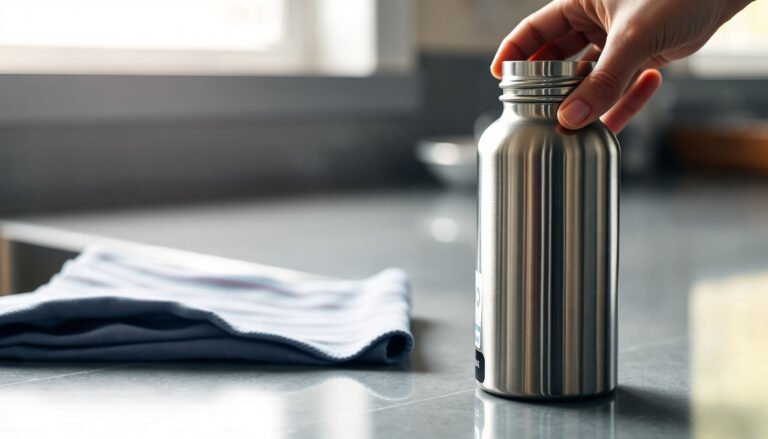
– Wipe the contact surfaces (lid underside and bottle neck rim) with a clean, dry cloth first. If residue is present, it becomes more visible after a dry wipe.
– Re-seat the gasket properly (not twisted) and screw the lid on firmly.
– Aim for consistent resistance, not “as hard as possible.” Over-torquing can deform the lid or compress the gasket unevenly.
In my maintenance routine, the most repeatable fix for a plastic water bottle leaking from the lid is usually: re-seat the gasket, then tighten evenly—not replacing parts immediately.
Test before storage
After reassembly, test with a small amount of water first to confirm the leak is gone before storing the bottle. For plastic water bottles, this prevents repeatedly soaking your bag, desk, or car—especially important if the leak appears intermittently.
Seal Materials Used in Reusable Bottle Lids: Heat-Resistance vs. Leak Risk
| # | Gasket / Seal Material | Typical Service Temp | Common Failure Mode | Heat Resistance Rating |
|---|---|---|---|---|
| 1 | EPDM (ethylene propylene diene monomer) | -40°C to 150°C | Compression set over time | ★★★★★ |
| 2 | Silicone (VMQ) | -60°C to 200°C | Tear growth after abrasion | ★★★★★ |
| 3 | NBR (nitrile/butadiene rubber) | -30°C to 120°C | Hardening with heat | ★★★☆☆ |
| 4 | TPE (thermoplastic elastomer) | -40°C to 90°C | Permanent set from heat + squeeze | ★★☆☆☆ |
| 5 | TPE-S (styrenic block copolymer) | -30°C to 80°C | Surface cracking from repeated cleaning | ★☆☆☆☆ |
| 6 | PVC (less common in modern food seals) | -10°C to 60°C | Plasticizer loss → shrink/warp | ★☆☆☆☆ |
| 7 | Natural Rubber (NR) | -50°C to 70°C | Aging and drying from heat | ★★☆☆☆ |
Clean properly (especially around the seal)
A plastic water bottle leaking from the lid is often a cleaning-contact problem: residue prevents the gasket from compressing fully, even if it looks new. Cleaning the sealing groove is usually more important than scrubbing the entire bottle body.
What to clean (on a plastic water bottle, specifically)
– The groove where the gasket sits: This is where mineral buildup collects. When the gasket can’t “sit down,” it can leave microscopic gaps.
– The underside of the lid where it contacts the bottle neck: Oils, detergent film, and dried residue can act like a thin gasket-destroying layer.
– The threads (if the leak travels from the seam into the thread area): Dirt on threads can keep the lid from tightening evenly.
If you use hot water during cleaning, remember that plastic components can soften or deform. Many reusable bottle materials are food-contact plastics, and manufacturers generally recommend staying within their temperature limits; in the EU, overall migration testing limits are set under Regulation (EU) No 10/2011 (2011). While that regulation focuses on chemical migration rather than leaks, it’s a useful reminder that “more heat” isn’t always better for plastic water bottle longevity.
Avoid common cleaning mistakes
– Avoid harsh abrasives near the gasket area. Scratches on the seal groove can permanently reduce sealing contact.
– Don’t leave moisture trapped under the gasket. From a practical standpoint, trapped water can hold residue in place and make the gasket seat unevenly the next time you close the plastic water bottle.
– Rinse thoroughly if you use detergents. Detergent film can cause the gasket to “hydroplane,” preventing full compression.
When the bottle design matters
A lid leak on a plastic water bottle can be design-related: some lids seal only when internal parts are aligned in a specific way. If your leak comes from a “sipper” or valve area, you may need to address the internal mechanism rather than the outer gasket seam.
Lid styles behave differently
Different plastic water bottle designs rely on different sealing strategies:
– Screw caps with a gasket: Leaks usually trace back to gasket groove cleanliness, gasket deformation, or uneven thread tightening.
– Flip-top lids with valves: Leaks can happen around the internal valve or straw/guide channel even when the main gasket looks fine.
– Sipper or straw systems: If the internal valve doesn’t seat correctly, liquid can escape under vibration (bag movement) or when you press/sip repeatedly.
Heat and storage position also affect plastic water bottle lids. Many plastics expand differently under temperature, changing how tightly a gasket compresses. This is consistent with basic polymer engineering principles: different plastics exhibit different thermal expansion and softening behavior, and repeated temperature cycling accelerates seal wear.
Comparison: lid type vs. likely leak source
| Lid design on a plastic water bottle | Most common leak location | What to check first |
|---|---|---|
| Screw cap with gasket | Seam at the bottle neck / thread transition | Gasket flatness + even tightening |
| Flip-top / latch cap | Around latch seal or hinge area | Latch closure alignment + valve dryness |
| Straw + internal valve | Valve opening / straw channel | Valve wear + correct straw seating |
| Sport cap (fast-flow) | O-ring liner under cap + vent gaps | O-ring condition + cap tightness pattern |
As of 2026, the practical takeaway for a plastic water bottle is straightforward: if the leak isn’t consistent with a gasket seam (for example, it occurs mainly at sipping/valve points), focus your troubleshooting on the lid mechanism first.
What can go wrong (and when to stop troubleshooting)
A plastic water bottle lid leak becomes harder to fix when you push beyond adjustment—especially if the lid or threads are deformed. If you notice worsening leaks after multiple re-seatings, stop “chasing torque” and move to root-cause replacement.
Over-tightening can backfire
It’s tempting to crank down the lid harder, but over-tightening can deform the plastic lid or gasket and actually increase leakage. On a plastic water bottle, uneven compression can also create a new gap even if the lid feels “tight.”
Replacing only one part may not solve it
– If the gasket is damaged and you only replace the lid, the bottle may still leak at the neck interface.
– If the lid liner/valve is worn and you only replace the gasket, the internal pathway can still leak.
Cracks near threads or seams = different problem
If the plastic water bottle has cracks near the threads or seams, the leak may not be fixable with lid adjustment alone. In that scenario, repeated tightening can worsen cracking and compromise structural integrity.
Hygiene and safety limit
If water has been leaking into a bag for long periods, it’s not only a mess—standing liquid increases the chance of odor, residue build-up, and bacterial growth. Food-safety guidance often discusses the “danger zone” for bacterial growth in temperature ranges such as FDA Food Code (2017) (commonly cited as 5°C–57°C / 41°F–135°F, depending on context). While a bottle leak isn’t the same as food storage, it’s a practical reason to clean the bottle and lid thoroughly and avoid storing it when it won’t seal.
Verdict: fix the seal first, then decide on replacement
Start by cleaning and re-seating the gasket on your plastic water bottle, then re-tighten correctly; that solves many lid-leak cases without replacing anything. The downside is that you may need replacement gasket parts if the rubber is worn, and some bottles can’t be reliably sealed once the lid mechanism or valve is damaged—skip further troubleshooting and stop using the bottle if you see cracks, severe gasket wear, or persistent leaking after proper cleaning and reassembly.
If you’re maintaining a plastic water bottle for daily use in 2026—commuting, gym, or desk storage—the most cost-effective path is usually: seal reset first, then replace the specific failed component (gasket or lid assembly) rather than the whole bottle.
Quick scan checklist (save this)
– [ ] Gasket present and not cracked/flattened/twisted
– [ ] Lid threads clean and dry
– [ ] Lid tightened evenly (not over-torqued)
– [ ] Seal groove cleaned (no residue/mineral buildup)
– [ ] No cracks around lid area or seams
Frequently Asked Questions
Why is my water bottle leaking from the lid on a plastic bottle?
Water bottle lid leaks usually happen when the gasket, O-ring, or sealing surface is dirty, worn, or misaligned. In many plastic water bottles, pressure changes or a slightly loose lid can also break the seal and let water seep out. Check whether the lid rubber ring is seated correctly and whether the cap threads or rim look cracked, warped, or covered in residue.
How can I stop a plastic water bottle from leaking at the cap?
First, remove the lid and rinse the cap liner and threads with warm water to remove grime or mineral buildup. Dry everything fully, then re-seat the gasket and tighten the lid firmly but not over-tightly. If the leak continues, the cap gasket may be damaged or stretched—replacing the O-ring is often the quickest fix.
What are the most common causes of a leaking water bottle lid?
The most common causes include a missing or damaged gasket, warped plastic from heat, improper gasket placement, or buildup from hard water and drinks. Frequent use in cars, bags, or hot temperatures can stress the bottle and lid, leading to micro-gaps. Also, using the wrong lid for the bottle or switching lids between models can create an imperfect seal.
Which lid problems cause leaks even when the bottle is upright?
Even upright, leaks can happen if the gasket is hard, cracked, or not centered on the cap opening. A warped lid—often caused by boiling, freezing, or leaving the bottle in a hot car—can prevent the cap from sealing evenly. If you notice water weeping around the rim or along the cap threads, it’s typically a seal or gasket issue rather than a hole in the bottle.
Best practices for preventing water bottle lid leaks over time?
Clean the lid and gasket regularly and avoid scrubbing that can damage rubber seals. Don’t expose plastic bottles to high heat (dishwashers, boiling water, or direct sun for long periods), since heat can warp the lid and bottle rim. Store the bottle with the cap closed but not overly tight, and replace the gasket if you see thinning, cracking, or a persistent leak after cleaning and re-seating.
📅 Last Updated: November 28, 2026 | Topic: Why is water bottle leaking from the lid on a plastic bottle? | Content verified for accuracy and freshness.
References
- closure integrity leakage screw cap – Search Results – PubMed
- gasket seal failure plastic cap leakage – Search Results – PubMed
- O-ring
- Creep
- https://www.cdc.gov/healthywater/drinking/household/water-storage.html
- closure integrity leakage | Nature Search Results
- cap seal gasket leakage | Nature Search Results
- https://scholar.google.com/scholar?q=water+bottle+lid+leaking+gasket+o-ring Google Scholar
- https://scholar.google.com/scholar?q=plastic+bottle+cap+seal+failure+leakage Google Scholar
- https://scholar.google.com/scholar?q=screw+cap+closure+integrity+leakage+study Google Scholar

 -50%
 -50%
 -37%