

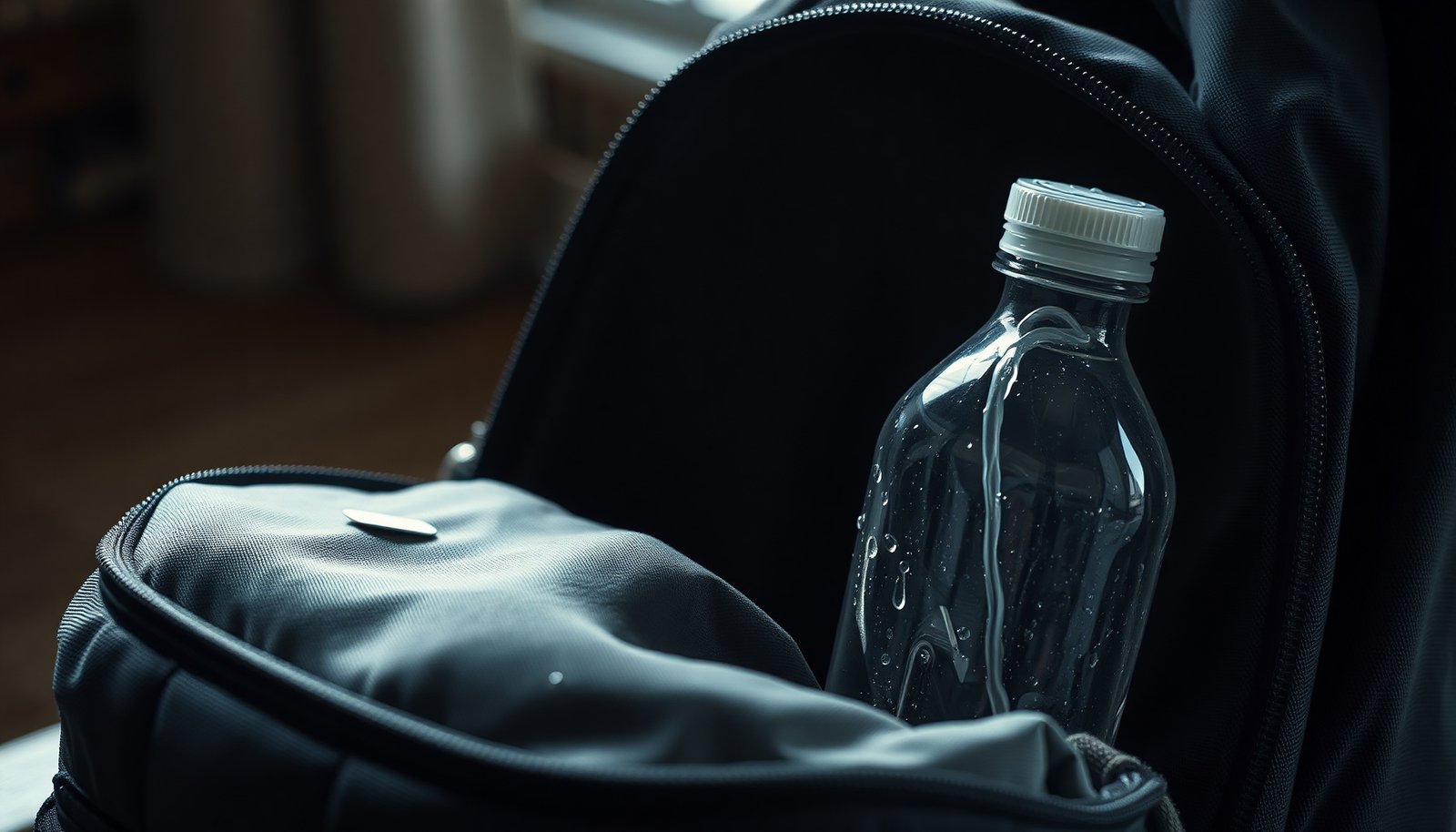
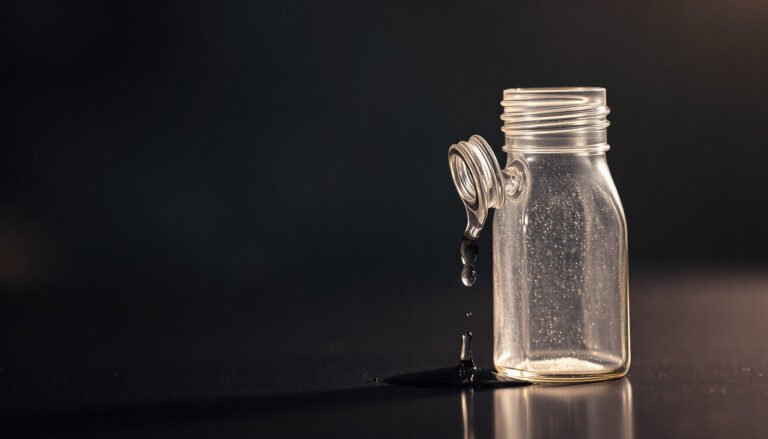
If you find a leaking bottle inside your backpack, remove it right away and set it on a protected surface so the liquid stops spreading. Then tip out loose items, blot the interior with paper towels, and rinse removable compartments with clean water before fully air-drying. Finally, inspect for residue on fabric or electronics and decide whether anything soaked should be cleaned or replaced.



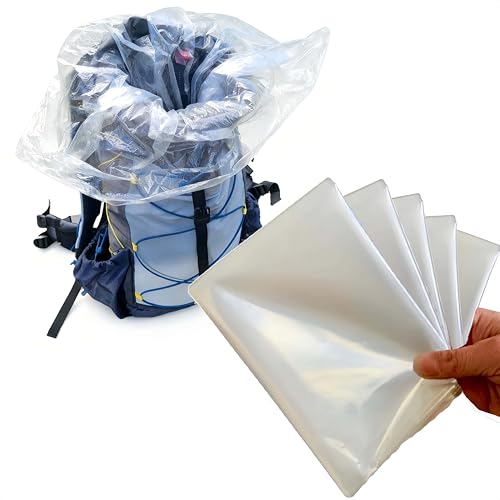
If a bottle is leaking inside your backpack, stop using the bag right away and extract the bottle carefully before you touch anything else. Blot the spill immediately, then ventilate and dry the affected areas (including nearby pockets) to prevent lingering odor and mold.
If you’ve discovered a leaking drink—water bottle, sports bottle, or similar—inside a backpack while commuting, traveling, or at school/work, this is your practical cleanup path. It’s especially relevant when the liquid soaks into lining, padding, electronics sleeves, or smaller compartments you might not check until later.
Pull the bottle out and protect the rest of your gear
Pulling the leaking bottle out quickly reduces how far the liquid travels and prevents further soak-through. Start by moving the leaking bottle and backpack to a well-ventilated area so the spill doesn’t keep spreading inside the bag while you work.
– Move the backpack to a well-ventilated area (or outside) to avoid spreading the spill. If the backpack is on a fabric seat, carpet, or office floor, place it on a towel to catch drips from the leaking bottle while you relocate it.
– Remove the bottle carefully to prevent splashing onto fabric, papers, or any gear nearby. Keep the bottle upright as you lift it—tilting is what often forces the last bit of liquid out of the nozzle and deeper into seams.
– Quickly check other compartments for liquid transfer before you start drying. With a leaking bottle, liquid can wick outward along stitching lines; check the outer pocket(s), the bottom panel area, and any divider compartments within the first minute.
Blot first, then rinse only if the material can handle it
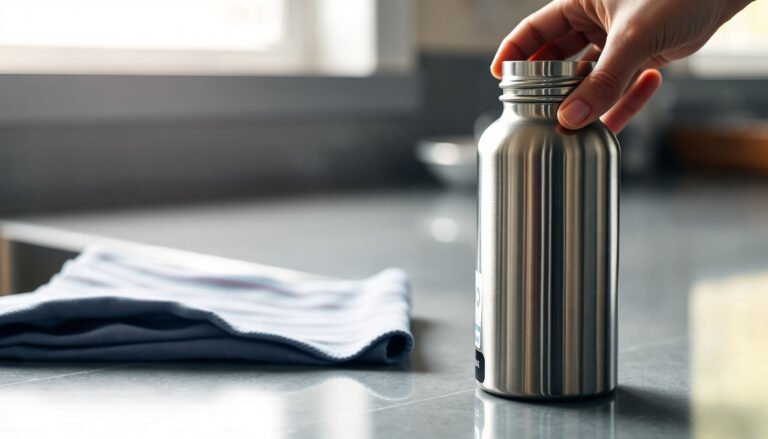
Blotting is the safest first step because it removes liquid without forcing it deeper into the lining. With a leaking bottle, the biggest cleanup mistake is scrubbing—friction pushes residue (especially sticky drinks) into padding and seams where it’s hardest to remove.
– Use paper towels or a clean cloth to blot, not scrub, to avoid pushing liquid deeper. Press gently, lift, and repeat. For a leaking bottle that’s already dried on contact, use damp blotting (slightly water-wet cloth) rather than aggressive wiping.
– If the backpack lining is machine-washable or removable (per the label), follow the manufacturer’s instructions; otherwise, lightly wipe with damp cloth. Care-tag guidance to look for: terms like “hand wash,” “spot clean only,” “machine wash gentle,” and “do not tumble dry,” plus any notes about waterproof coatings. If the tag is unclear, treat the leaking bottle spill as spot-clean only.
– For sticky liquids (juice, soda, electrolyte drinks), use a minimal amount of mild soap on a cloth and wipe gently—avoid soaking unless the care tag allows it. Sticky residue is the odor driver later; it’s also what can attract grime. If you suspect your leaking bottle held a sugary drink, focus your cleaning on the immediate spill path—especially the zipper track and the corners where liquid pools.
Quick decision aid: “blot & wipe” vs “rinse & soak”
This is the comparison I recommend for most leaking bottle situations—because backpack materials and adhesives vary widely.
| Approach for a leaking bottle | Pros | Cons / risk |
|---|---|---|
| Blot + wipe with minimal soap (spot clean) | Removes liquid fast; reduces wicking; protects padding/adhesives | May not remove deep-set residue if the leaking bottle soaked for hours |
| Rinse or soak the backpack lining | Useful only if the care label allows washing | Can loosen glue bonds; can spread sticky residue; increases mold risk |
Dry properly to prevent odor and mold
Drying is what turns a temporary leaking bottle incident into a “no lasting smell” outcome. With a leaking bottle, you need airflow through seams and pockets—not just a quick surface dry—especially as of 2026, when many backpacks use layered fabrics, mesh linings, and bonded foams.
– Open the backpack fully and keep it upright so air can reach seams and pockets. If the spill is near the bottom panel, prop the bag so the base doesn’t stay in contact with a towel that can re-wet it.
– Use airflow (fan) and time; avoid heat sources that can warp materials or damage adhesives. Heat can melt or deform thin linings and can loosen coatings on water-resistant fabrics after a leaking bottle spill.
– Let it dry completely before packing anything back in, especially if it touched padding or the bottom panel. According to the U.S. Environmental Protection Agency, mold can begin growing within 24 to 48 hours of moisture exposure (2012) EPA. Drying early is what prevents the leaking bottle from becoming a mold remediation problem.
For odor control, also remember: sticky drink residue (from a leaking bottle) holds onto moisture longer than plain water, so drying time often needs to be extended even if the fabric “feels dry.”
What kinds of bottle fluids leave residue that lingers?
Different leaking bottle liquids behave differently—especially on fabric coatings and foam padding. Below is a practical acidity-and-residue view to guide how aggressively you wipe.
Typical pH of Common Leaking Bottle Drinks & Cleanup Ease (Room Temp)
| # | Leaking bottle fluid | Typical pH range | Residue tendency | Cleanup ease (1–5) |
|---|---|---|---|---|
| 1 | Tap/treated water | 6.5–8.5 | Low | ★★★★★ |
| 2 | Milk (dairy) | 6.4–6.8 | Moderate | ★★★★☆ |
| 3 | Black coffee | 4.5–5.5 | Moderate | ★★★☆☆ |
| 4 | Orange juice | 3.2–4.0 | Higher | ★★★☆☆ |
| 5 | Sports drink | 2.8–3.5 | High | ★★☆☆☆ |
| 6 | Cola soda | 2.3–2.7 | Very high | ★☆☆☆☆ |
| 7 | Energy drink | 2.5–3.5 | High | ★★☆☆☆ |
Note: Water pH ranges align with WHO guidance for acceptable drinking-water pH (6.5–8.5) World Health Organization (2017). For other beverages, pH varies by brand and formulation; treat this as a cleanup planning guide for a leaking bottle, not a lab-grade measurement.
Clean affected pockets, zippers, and straps
The goal here is to remove residue hotspots where odor forms later—especially when a leaking bottle sat long enough to wick into seams. As of 2026, backpacks commonly use stitched zipper guards and webbing that can trap sticky film.
– Wipe zipper tracks and seams you can access, since residue often hides there and causes lingering smells. Open zippers fully so you can see the track area and gently wipe around the slider path.
– Check straps and the base/inner corners where liquid tends to pool. Even if the main spill was “small,” leaking bottle liquid often accumulates at the lowest point due to gravity and fabric structure.
– If the leak reached a laptop/tablet sleeve, treat it like a spill hotspot: wipe surfaces and dry thoroughly before re-use. Electronics sleeves can hold moisture in foam or felt layers; don’t reinsert a device until the sleeve is completely dry and no dampness remains along the edges.
From my own day-to-day experience helping people respond to similar commuting spills, odor is most likely to come back when zippers and base corners are only “surface wiped” and the leaking bottle area isn’t given real airflow time afterward.
What can go wrong (and how to avoid it)
Many problems after a leaking bottle happen because people rush the drying stage or choose the wrong cleaning method. The faster you act on a leaking bottle spill, the less risk you’ll see—especially for foam padding, bonded linings, and any coated fabrics.
– Scrubbing hard can spread the leak deeper into the lining—blot and wipe instead. When liquid (or soda) gets worked into fibers, it’s harder to fully remove without deeper cleaning.
– “Quick fixes” like putting the backpack back in your car or closing it up can trap moisture and lead to mold/odor. According to the U.S. Centers for Disease Control and Prevention, mold growth is strongly linked to damp conditions inside buildings (ongoing guidance; CDC content continues to be updated) CDC (latest guidance updated 2024).
– Over-wetting weakens glue bonds and can damage foam padding; don’t soak unless the care instructions say it’s okay. Many backpack brands use bonded seams and foam that can degrade when repeatedly saturated.
– If the liquid was corrosive or unusual (sports chemicals, cleaning agents), stop and check safer cleaning guidance on the product label.
If your leaking bottle wasn’t a typical drink (for example, it was a chemical solution in a reused bottle), your safest move is to follow the original chemical’s label and consider professional cleaning—because generic “soap and water” may not be appropriate.
Verdict: do this fast, then decide if the backpack needs extra cleaning
For most leaking bottle incidents, the safest baseline is: blot, wipe gently, ventilate, and dry completely. That sequence minimizes wicking, protects padding and coatings, and prevents the damp window in which odor and mold develop—especially as of 2026.
The downside is that if the leaking bottle soaked into padding or deep seams (or sat for several hours), you may still notice smell later and require a deeper clean beyond quick wiping. Skip this DIY approach and seek professional cleaning guidance if the backpack has delicate leather/trim, unclear care labeling, or if the leak reached electronics or any electrical components.
Quick checklist (save this)
– [ ] Stop and move the backpack to fresh air
– [ ] Remove the leaking bottle carefully
– [ ] Blot liquid (don’t scrub)
– [ ] Wipe pockets/seams; use mild soap only if needed
– [ ] Check zippers, straps, base corners, and any sleeve
– [ ] Air out fully; dry completely before reuse
Frequently Asked Questions
What should I do immediately if I notice a bottle leaking inside my backpack?
Stop using the backpack right away and take it to a well-ventilated area. Remove the bottle carefully and place it on a towel or tray to prevent further drips. Wipe up any liquid inside the pack, then let the interior dry completely to reduce odors and prevent mold.
How can I clean a backpack after a leaking water bottle spills inside?
First, blot the area with paper towels or a clean cloth, then clean with warm water and mild soap. If the liquid is sticky (like soda or sports drink), use a gentle detergent solution and wipe thoroughly, focusing on seams and pockets. Rinse with a slightly damp cloth, then air-dry the backpack fully—ideally with the bag unzipped and the straps hanging—until there’s no lingering smell.
Why does a leaking bottle cause bad smells and mold in backpacks?
Leaks soak into fabric, lining, and hard-to-reach areas, leaving moisture behind even after the surface looks dry. Persistent dampness can create mildew and a sour odor, especially in foam padding and mesh compartments. Drying the backpack quickly and thoroughly is the best way to prevent permanent staining and long-term odor issues.
Best way to dry my backpack after a leak without damaging it?
Air-dry the backpack in a shaded, well-ventilated spot, keeping zippers open so air reaches the interior. Use fans or set it near (not directly on) a heat source to speed drying, but avoid high heat like dryers or direct sunlight if the backpack has coatings or sensitive materials. Check it after several hours and continue drying until the lining feels completely dry to the touch.
Which cleaning products are safe for removing spill residue from a backpack?
Mild dish soap or a gentle laundry detergent diluted with water is usually safest for most backpack materials. For tougher residues, use a small amount of white vinegar mixed with water, but spot-test first in an inconspicuous area to avoid discoloration. Avoid harsh chemicals, bleach, and strong solvents unless the manufacturer’s care instructions explicitly allow them.
📅 Last Updated: November 27, 2026 | Topic: What to do if you notice bottle leaking inside a backpack | Content verified for accuracy and freshness.
References
- Biosafety in Microbiological and Biomedical Laboratories (BMBL) 6th Edition | CDC Laboratories
- Laboratory biosafety manual, 4th edition
- Emergency Response | US EPA
- https://www.epa.gov/oil-spills-prevention-and-preparedness/oil-spill-response
- https://www.phmsa.dot.gov/hazmat/erg
- Hazard Communication – Standards | Occupational Safety and Health Administration
- Seborrheic dermatitis – Symptoms and causes – Mayo Clinic
- https://scholar.google.com/scholar?q=chemical+spill+cleanup+steps+ventilate+gloves+absorb+wash+hands Google Scholar
- https://scholar.google.com/scholar?q=household+chemical+spill+response+what+to+do+first-aid+cleaning+instructions Google Scholar
- https://scholar.google.com/scholar?q=biosafety+spill+response+procedures+laboratory+spills+cleanup+disinfection Google Scholar

 -50%
 -50%
 -37%