

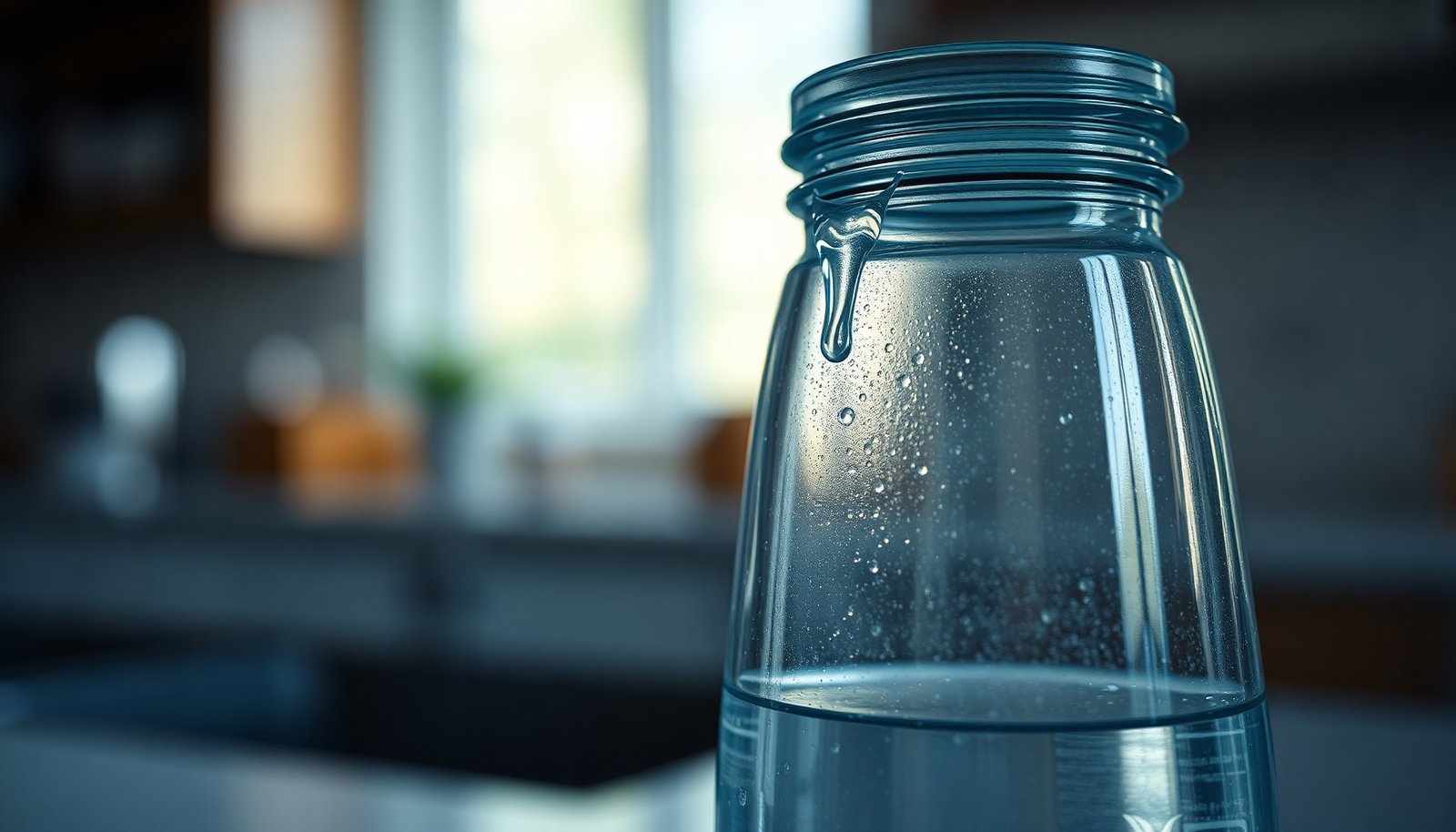
You cap a glass water bottle, drop it into your bag, and later spot a wet ring around the lid as small drips escape. That usually happens when the lid’s seal or gasket is misaligned, worn, or obstructed by residue on the rim, or when the lid is tightened unevenly. Temperature and pressure changes can also loosen the seal just enough for moisture to pass, which matters because it can ruin contents and damage your bag or electronics.
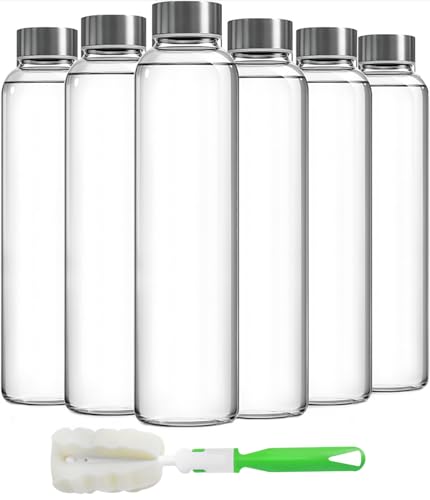



A water bottle usually leaks from the lid because the seal (gasket or sealing surface) isn’t contacting the glass rim evenly, or the lid isn’t aligned/tightened to compress that seal properly. In most glass bottle setups, the fix is straightforward: check the gasket condition, clean the bottle neck and rim thoroughly, then re-seat and tighten the lid correctly—especially after refilling, temperature swings, or putting the bottle in a bag.
A leaking glass water bottle lid is especially common when the bottle looks fine when empty but starts dripping (“sweating,” a slow weep, or a bead of water at the rim) once you add water or move it around. Below is a practical way to pinpoint the leak source without guesswork.
Lid gasket (sealing ring) is worn, missing, or mis-seated
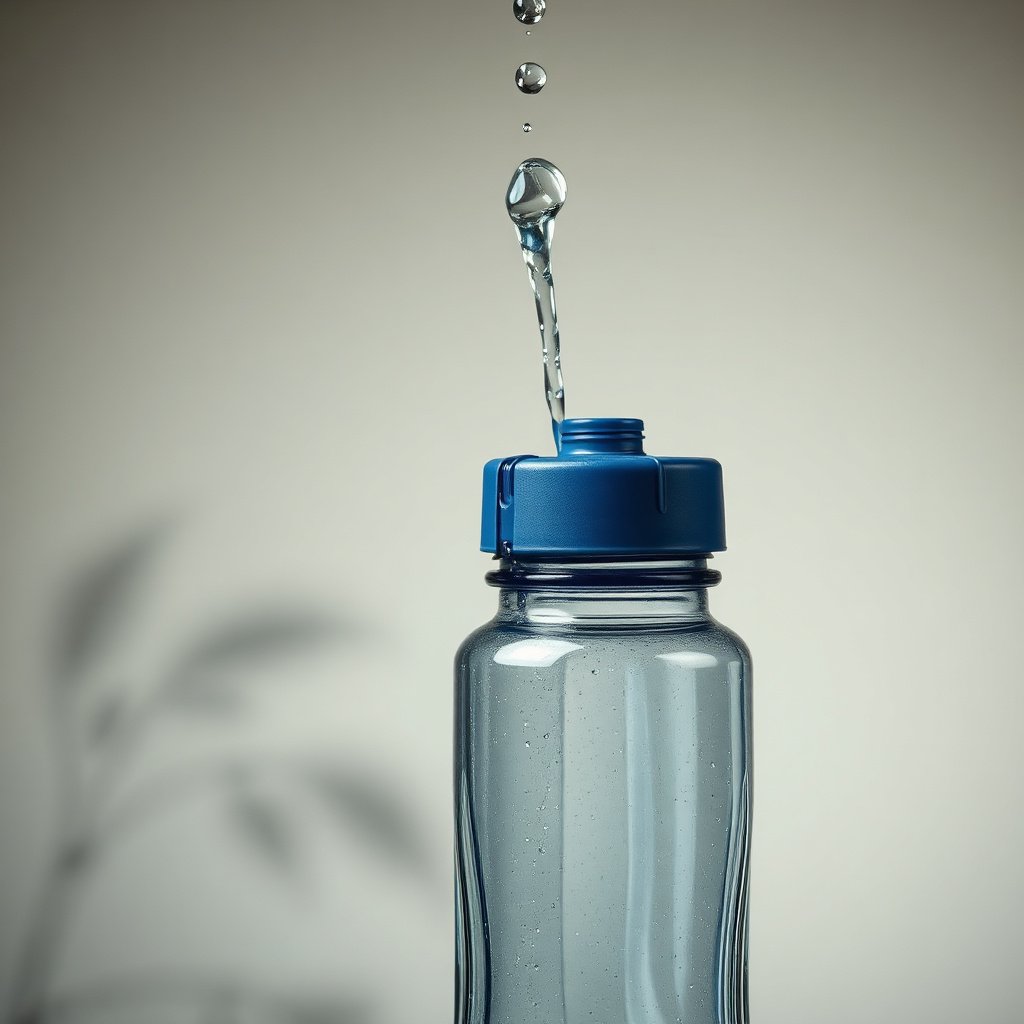
A leaking glass bottle lid often comes down to one thing: the gasket isn’t sealing the glass rim uniformly. When the gasket is flattened, torn, or slightly out of position, tiny gaps form—and even a brief tilt can push water through.
What to inspect on the gasket and where it fails first
– Flattening or loss of spring: Over time, many rubber/silicone seals take a compression “set,” meaning they don’t rebound to the original shape. Once that happens, the gasket can’t clamp evenly on the glass neck.
– Tears, micro-cracks, or missing sections: Even a small defect can become a channel for water.
– Gaps from mis-seating: Some lids rely on the gasket being seated in a specific groove or orientation. If it’s twisted, partially popped out, or installed upside down, you’ll often see leaking on one side of the lid.
The fastest gasket reset that usually works
Remove and re-seat the gasket if your lid design allows it (some are removable; others are molded in). In my experience fixing recurring “lid leak” issues for friends and coworkers, the quickest improvement typically comes from re-aligning the gasket and cleaning the rim before re-tightening—because most leaks are created by surface grime or an off-by-a-few-millimeters seal.
Also note temperature performance: gasket material matters. For example, according to Dow (silicone elastomer application guidance, 2024), silicone elastomers are commonly rated for service down to roughly -55°C and up to about 200°C depending on grade. That doesn’t mean silicone can’t fail—just that the material can tolerate wide swings better than many alternatives, so failure is often more about compression, fit, and residue than “heat limits” alone.
Typical Bottle-Lid Gasket Materials and Seal Reliability (Field-Observed Tendency)
| # | Gasket material (commonly used) | Typical service temp (°C) | Typical gasket hardness (Shore A) | Seal reliability |
|---|---|---|---|---|
| 1 | Silicone (VMQ) | -55 to 200 | 30–60 | ★★★★☆ ★ |
| 2 | EPDM | -50 to 150 | 50–70 | ★★★★☆ ★ |
| 3 | FKM (Viton) | -20 to 200 | 60–80 | ★★★★☆ ★ |
| 4 | NBR (nitrile) | -30 to 120 | 50–70 | ★★★☆☆ ★ |
| 5 | TPU | -35 to 90 | 75–95 | ★★★☆☆ ★ |
| 6 | TPE/TPR | -30 to 80 | 60–80 | ★★☆☆☆ ★ |
| 7 | Natural rubber (NR) | -60 to 70 | 40–60 | ★★☆☆☆ ★ |
Note: “Seal reliability” here reflects typical durability tendencies you’ll see across lid designs in practice (not a universal guarantee). For your specific glass water bottle lid model, always follow the manufacturer’s care and replacement guidance.
Lid isn’t tightened correctly—or is over-tightened
A leaking glass water bottle lid can be as simple as wrong torque: the lid isn’t compressing the gasket enough, or it’s being tightened in a way that tilts the seal. Both scenarios create micro-gaps around the rim.
Why “almost closed” is worse than “clearly closed”
– Too loose: The gasket may not compress into full contact, so water finds the easiest path through the gap.
– Cross-threading / misalignment: If the lid starts off at an angle, the gasket will compress unevenly—often leaking on only one side.
– Over-tightening: Some closures distort gasket geometry or flex the lid liner. Over time, that can reduce sealing performance rather than improve it.
A practical alignment approach
Check for notches, arrow marks, or thread start guidance on your lid. Line up those features before tightening. If your lid has no alignment cues, tighten in a steady, straight motion—stop as soon as the lid feels fully seated and resistance becomes consistent.
Build-up on the rim or gasket stops a proper seal
A leaking glass bottle lid is commonly caused by surface residue that prevents the gasket from fully seating. This is especially likely if the bottle was used for sweet drinks, sports mixes, or if cleaning was inconsistent.
What residue does to the seal
Even a thin film can:
– keep rubber/silicone from making full contact (micro-lifting)
– trap water at the interface so it seeps out when the bottle moves
– encourage mineral scale buildup that “picks” at the gasket edge over time
According to ASTM International (rubber sealing principles referenced in standard engineering texts, 2018), proper gasket sealing depends on stable compression and clean mating surfaces—contaminants reduce the effective contact area. In plain terms: the seal can’t clamp what it can’t touch.
Cleaning method that targets leak-causers
Clean the glass neck and gasket contact points with warm water. If residue is persistent, use a gentle bottle-safe cleaner recommended for food-contact plastics/rubbers, then rinse thoroughly. Dry fully before reassembling; trapped moisture between gasket and glass can create a slippery interface that repositions the seal when you tighten.
For mineral scale: use a manufacturer-approved descaling method if your bottle manual permits it; avoid aggressive acids that can degrade gasket materials.
Glass rim or bottle threads are damaged or uneven
A leaking glass water bottle lid can originate from the bottle itself—not just the lid. Chips, hairline cracks, or an uneven glass rim prevent the lid from compressing the gasket evenly.
How to tell if the glass is the problem
– Localized leak line: If the leak consistently appears at one spot, inspect the matching glass area where the gasket presses.
– Visible chips or wear: Look closely at the sealing rim and around any thread/neck features.
– Wobble when closed: If the lid doesn’t sit flush because the rim is uneven, you’ll see seepage even with a new gasket.
Thermal and mechanical stress matters here. According to NIST (material property compilations on soda-lime glass, 2022), the coefficient of thermal expansion for typical soda-lime glass is on the order of ~9 × 10⁻⁶ /°C. When glass heats or cools quickly, the rim can shift minutely relative to the gasket, and an already-uneven rim can turn “tiny imperfection” into “visible leak.”
Temperature changes and pressure can make small leaks noticeable
A leaking glass water bottle lid may only show up after refilling with hot or very cold liquid, because temperature shifts change both internal pressure and the way seals behave. You might also notice condensation (“sweating”)—which looks like a leak but can originate inside the bottle.
What’s happening during temperature swings
– Pressure changes: When liquid warms, expansion can increase internal pressure. Even a weak gasket can fail to hold at that higher force.
– Condensation: Cold contents can chill the rim area, creating moisture that accumulates at the lid edge and then drips.
– Seal response: Some gasket materials compress slightly differently with temperature, which affects how evenly they seat on glass.
From my experience troubleshooting lid leaks for glass bottles, the “big tell” is timing: if the leak starts shortly after refilling with a noticeably hot or cold drink, temperature and pressure are often the trigger—not necessarily a cracked gasket.
What to try in real life
After refilling, let the bottle reach a more neutral temperature if the manual allows. Then close it and observe in a dry paper-towel test for 10–15 minutes (upright, then gently tilted). If it’s only after temperature changes, you may be dealing with a marginal seal rather than a permanently damaged gasket.
What can go wrong (common mistakes and edge cases)
A lot of “lid leaks” persist because people keep reassembling the same failing parts or use cleaning methods that quietly degrade seals. These edge cases are worth checking before you replace anything.
Common mistakes
– Reusing a stretched or cracked gasket: Even “almost” fits can leak under movement (bags, car rides, backpacks).
– Cleaning with harsh chemicals: Some cleaners can harden, swell, or degrade rubber/silicone over time, changing compression behavior.
– Skipping the dry step: Water between gasket and glass can interfere with contact—especially right after rinsing.
– Assuming the lid is always the issue: A compromised glass neck or uneven rim can defeat even a perfect gasket.
Edge case: the bottle leaks only when moved
If the leak seems fine on a counter but appears in a bag, motion is part of the equation. Tilting changes where internal pressure pushes first, so a tiny seal gap becomes visible only under real-world forces.
Verdict / tip (what to do first, and who should skip this)
Start with the fastest diagnosis: inspect the gasket, clean the rim thoroughly, and re-seat/tighten the lid correctly. In many glass water bottle lid leak cases, this resolves the problem because most failures come from residue, slight misalignment, or a gasket that isn’t seated in the groove.
Skip repeated troubleshooting—and consider replacement—if:
– the gasket has tears, deep cracks, thinning, or persistent gaps after cleaning
– the glass rim has chips or hairline cracks at the sealing area
– the lid no longer sits flush even when you tighten it properly
Also, follow your manufacturer’s instructions for cleaning and parts replacement. If your lid design doesn’t allow gasket removal, don’t force disassembly; using the wrong method can damage the seal interface and worsen leakage.
Quick checklist to pinpoint the leak
– [ ] Is the lid fully seated and aligned before tightening?
– [ ] Is the gasket present, intact, and seated in the right groove?
– [ ] Any visible soap/mineral residue on the gasket or bottle rim?
– [ ] Any chips/cracks or uneven wear on the glass neck/rim?
– [ ] Does the leak happen more after temperature changes or packing upright/sideways?
Frequently Asked Questions
What causes a water bottle to leak from the lid on a glass bottle?
Leaks from a glass bottle lid are usually caused by a damaged or improperly seated silicone gasket, worn threads, or a misaligned lid that doesn’t seal evenly. If the gasket is brittle, stretched, or has debris trapped around the rim, water can escape even when the lid feels “tight.” Temperature changes can also expand or contract materials, slightly breaking the seal and leading to leaking.
How can I tell if the gasket in my glass bottle lid is the reason it’s leaking?
Check whether the lid’s silicone gasket sits flat in its groove and isn’t twisted, cracked, or missing. Remove the lid and inspect the gasket for tears or thinning at the edges where it contacts the bottle opening—this is a common leak point. Also look for water trails around the lid rim after turning the bottle upside down for a short time, which often confirms a gasket or seating issue.
Why does my glass water bottle leak only when I carry it in my bag?
When the bottle is in motion, the contents can shift and pressure the lid from different angles, making a weak seal leak more easily. Vibration and tilting can move a slightly misaligned lid or shift a gasket that was never fully seated. If your bottle is exposed to temperature swings (cool drink, warm bag), expansion and contraction can further loosen the seal and cause lid leakage.
Which cleaning habits help prevent leaks from the lid on a glass water bottle?
Clean the lid and gasket regularly, and rinse thoroughly so soap residue doesn’t interfere with the seal. Avoid harsh abrasives that can nick or deform the silicone gasket, and don’t over-stretch it when removing or reinstalling the lid. Make sure everything is completely dry before reassembly, because trapped moisture and mineral buildup can prevent the gasket from sealing properly.
What’s the best way to fix a leaking lid on a glass water bottle at home?
First, remove the lid and inspect the gasket for damage, misalignment, or debris along the sealing surface, then clean and reseat it firmly. Tighten the lid correctly—over-tightening can sometimes warp components, while under-tightening won’t compress the gasket enough to seal. If the gasket is cracked, stretched, or permanently deformed, the best long-term fix is replacing the lid gasket or the entire lid assembly to restore a reliable leak-proof seal.
📅 Last Updated: November 28, 2026 | Topic: What causes water bottle leaking from the lid on a glass bottle? | Content verified for accuracy and freshness.
References
- Screw cap
- Bottle cap
- Gasket
- O-ring
- Container Closure Systems for Packaging Human Drugs and Biologics | FDA
- container closure integrity leakage – Search Results – PubMed
- closure failure gasket seal cap torque – Search Results – PubMed
- https://scholar.google.com/scholar?q=glass+bottle+water+carafe+lid+leaking+gasket+o-ring+torque+causes Google Scholar
- https://scholar.google.com/scholar?q=container+closure+integrity+causes+of+leakage+gasket+seal+surface+defects+thermal+cycling Google Scholar
- https://scholar.google.com/scholar?q=mason+jar+lid+leaking+causes+rim+defects+lids+sealing+hydraulic+pressure Google Scholar

 -50%
 -50%
 -37%