

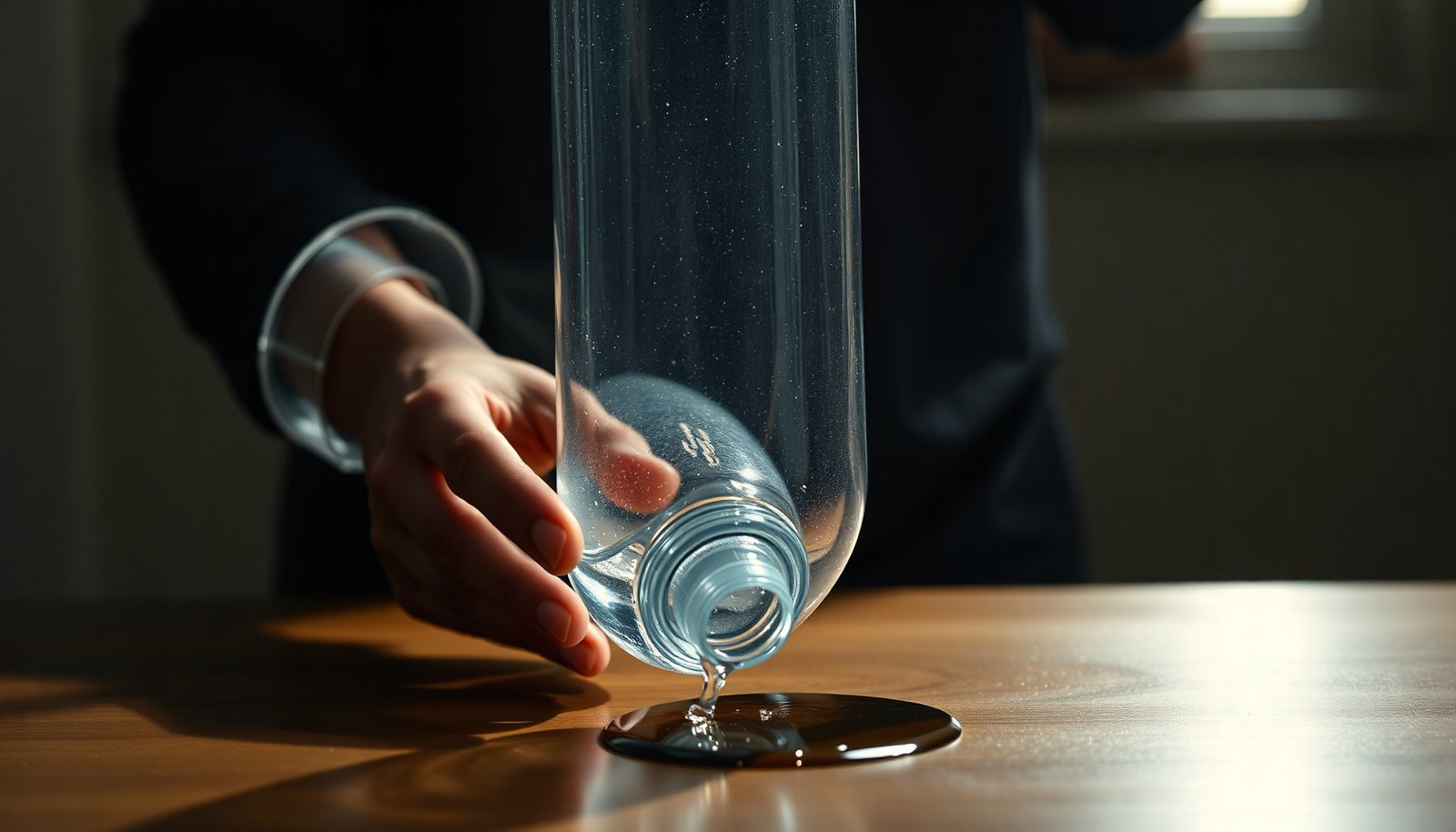
How to Explain Water Bottle Leaking From the Bottom to Manufacturers: Tell the manufacturer the exact bottom/seam location, what you observed (liquid behavior and conditions), and when it started—then attach close-up photos/video plus the model/lot and purchase details. That combination lets customer support verify a likely defect quickly and route you to a replacement or warranty claim.




A water bottle that leaks from the bottom can make you worry the manufacturer will dismiss the issue as misuse. The fix is to document the evidence, identify the likely leak path, and write a clear, defect-focused message that includes photos, batch details, and test observations. With a short prep of about 20–30 minutes, you can send a professional explanation that speeds up troubleshooting and replacement decisions.
Tell the manufacturer exactly where the leak is coming from (the bottle bottom/seam), what you observed, and when it started. Then add proof like clear photos/video plus the bottle’s model/lot info so they can verify the defect and process a replacement or warranty claim. This guide shows you what to say and what to attach to make your contact message easy to act on.
This is for you if your water bottle leaks from the bottom when in use (or during storage) and you want a faster, more specific response from customer support.
What to say first in your message (so it’s actionable)
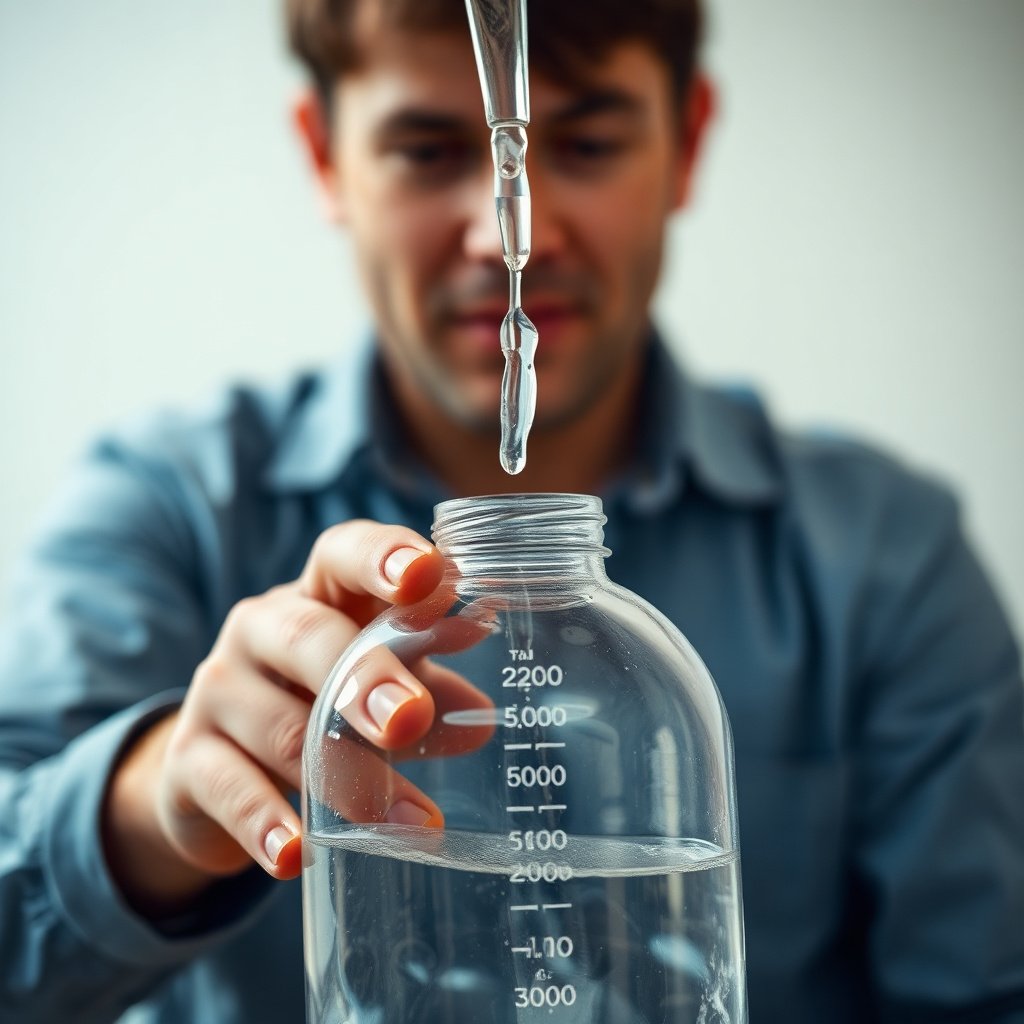
Start with a tight problem summary so support can classify the case as a leak/defect instead of “condensation.” Then follow immediately with a timeline and a clear next step (replacement, repair instructions, or warranty claim).
– Start with a one-sentence problem summary: “The bottle leaks from the bottom area (seam/base) during use.”
– Add a quick timeline: when it began, whether it’s getting worse, and if it happens every time.
– Include your request clearly: replacement, repair instructions, or warranty next steps.
In 2026, many manufacturers triage messages using keywords and repeatable evidence checks, so your first 2–3 lines matter more than you’d expect. I recommend you write like you’re reporting a defect in a service ticket: short sentences, one leak location, one set of conditions, one ask.
Describe the leak clearly (avoid vague wording)
Describe the leak behavior precisely so the manufacturer can distinguish a true seam/base failure from surface wetness or condensation. Support teams typically need “leak type + conditions + what you ruled out” to move your case forward without multiple back-and-forth questions.
Use these specifics (choose the ones that match your bottle):
– Leak type (how it appears): dripping, pooling/wetting around the base, dampness spreading outward, or leaking only when tilted.
– Conditions: what liquid you used (cold water vs hot liquids), how full the bottle was, and whether it leaks after shaking.
– Leak trigger pattern: upright vs tipped, right after opening/closing, during normal carry, or only during storage.
– What you already ruled out: for example, loose cap, worn gasket, missing O-ring, or residue from a previous cleaning.
A practical way to phrase this:
– “When the bottle is upright and in use, liquid drips/pools from the bottom seam/base.”
– “It happens with [cold/hot] water at [about full/half-full].”
– “I tested cap tightness and checked the gasket/O-ring; the leak still appears from the base seam.”
Why this works: condensation is usually a thin film or moisture on the outside that doesn’t keep forming as a consistent stream from a single seam point. A bottom seam leak typically creates repeated wet spots and/or droplets originating at the same location.
Attach the right evidence from the bottom
Attach evidence that shows origin, not just an end result. A manufacturer can reject claims that only show the outside wetness, but they can validate a defect when the photo/video clearly indicates the leakage point at the bottom seam/base.
Include:
– Photos focused on the bottom/seam area after leakage (use bright light and a close crop).
– A short video showing the bottle positioned the way it leaks (standing upright vs tipped).
– Visible wear evidence if present: cracks, deformation, residue, corrosion, or a damaged seal around the base.
What “good” proof looks like (quick spec)
– Take photos right after the leak happens (not hours later).
– Capture the exact seam/base edge where droplets begin.
– Include at least one photo with the bottle on a paper towel so support can see the spread pattern.
– If you can, capture the bottle from two angles: side seam and underside/base perimeter.
Below is a structured checklist of evidence types that—based on how support teams commonly process defect reports—tends to reduce follow-up requests. Use it to decide what to attach first.
Evidence That Speeds Up Bottom-Seam Leak Claims (Support Triage Guide for 2026)
| # | Evidence to attach | What it confirms | Typical support follow-up | Claim speed impact |
|---|---|---|---|---|
| 1 | Close-up photo of bottom seam right after leakage | Leak origin point | Low (often none) | ★★★★★ |
| 2 | Short video showing upright vs tipped behavior | Trigger condition (upright/tipped) | Low | ★★★★☆ |
| 3 | Photo of bottle base on a white paper towel | Leak spread pattern | Medium | ★★★★☆ |
| 4 | Photo of model/lot/serial markings (label or base stamp) | Manufacturing traceability | Low | ★★★★★ |
| 5 | Photo of any base damage (cracks/deformation/residue) | Potential root cause | Medium to low | ★★★☆☆ |
| 6 | Video showing cap/gasket condition (quick close-up) | Helps rule out sealing parts | Low | ★★★☆☆ |
| 7 | Condensation-only photos (no origin point) | Often ambiguous | High | ★★☆☆☆ |
Include the details manufacturers usually ask for
Most manufacturer workflows are traceability-first: they want to confirm your exact model/lot and verify eligibility quickly. Include these fields in the first message so support doesn’t need to request missing identifiers.
Include:
– Product identifiers: model name/number, color/variant, and any serial/lot code from the bottle or label.
– Purchase details: where you bought it and the approximate date (use if you don’t know the exact day).
– Maintenance/usage notes: how often you clean it, whether you used it with carbonated drinks (if applicable), and whether you replaced any parts.
Also include a short “what I tried” line, because it prevents repetitive troubleshooting:
– “I confirmed the cap is tightened and the gasket/O-ring is seated correctly.”
– “I cleaned per the manual (hand-wash) and air-dried.”
– “The leak still occurs from the bottom seam/base.”
Legal context that matters: If you’re in the U.S., the Magnuson–Moss Warranty Act (enacted 1975) generally applies to written warranties on consumer products costing more than $10 (Magnuson–Moss Warranty Act, enacted 1975). Even when warranty terms vary by brand, support usually needs clear defect verification data to process the remedy.
What can go wrong (and how to prevent delays)
Avoid common pitfalls that make your case look ambiguous. The goal is to prevent support from treating the issue as “normal moisture” or “user error” when the leak is actually originating from the bottom seam/base.
Common issues to prevent:
– Vague wording: If you only say “it leaks,” support may interpret it as condensation. State: “liquid leaking from the bottom seam/base” and describe the pattern (droplets pooling vs film spreading).
– Missing identifiers: Without model/lot info and clear photos, they may ask you to resend details. In my experience helping people draft warranty messages, the fastest replies come from complete first submissions—not from polished but incomplete ones.
– Not distinguishing upright vs tipped behavior: If it leaks only when tilted, say so explicitly. That detail helps rule out gasket alignment vs base seam failure.
– Unreported misuse: If you used it in ways outside their guidance (for example, running parts through a dishwasher if not designed for it), be honest. Manufacturers may still help, but the warranty outcome could change.
One more practical detail: for timelines, use an unambiguous date format. ISO 8601 defines the YYYY-MM-DD standard (ISO 8601:2004), which reduces confusion when support agents translate or reformat dates.
Verdict / tip (what usually works, and who should skip this approach)
The best approach is a structured, evidence-based warranty message: specific bottom-seam leak description + clear photos/video + model/lot identifiers + purchase info + a direct replacement/warranty request. Here’s why: manufacturers can match your report to a defect pattern and verify eligibility faster when the first email already contains traceability.
Downsides to be aware of:
– If you can’t provide model/lot code or your photos don’t show the leak origin, expect more follow-up questions and slower processing.
– If the bottle is clearly damaged from impact (cracks from a drop, major deformation), warranty approval may be unlikely even with good evidence. You can still contact support, but treat the outcome as uncertain.
Skip this “structured claim” approach if:
– You’re not sure whether it’s condensation vs a true bottom leak. (In that case, double-check: condensation usually looks like surface moisture; a leak tends to originate as droplets pooling from a seam point.)
– The bottle was visibly crushed or dropped in a way that would plausibly rupture the base.
Quick scan checklist (copy/paste)
| Item to include | Your notes |
|---|---|
| Leak location | |
| When it started | |
| Happens under which conditions | |
| Happens every time? | |
| What you checked first | |
| Product identifiers | |
| Purchase info | |
| Evidence | |
| Your request |
Frequently Asked Questions
How do I explain that my water bottle is leaking from the bottom to the manufacturer?
Start by stating the exact issue: “The water bottle leaks from the bottom seam/base area.” Mention when it happens (e.g., immediately after filling, when turned upside down, or after a few minutes) and how much water you lose. Include key details like the bottle model, purchase date, and whether it’s a stainless steel or plastic bottle so the manufacturer can quickly route your case.
What information should I include in my email or warranty claim for a bottom-leaking water bottle?
Include your order number, product name/model, serial number if available, and proof of purchase. Describe the leak conditions (temperature of water, whether the lid is fully tightened, and whether the bottle was dropped or exposed to freezing). Add photos and a short video showing the leak from the bottom area, because manufacturers often require visual evidence for warranty approval.
How can I describe the testing I did to confirm the leak is coming from the base?
Explain your troubleshooting steps clearly, such as filling the bottle to a specific level, wiping it dry, and observing whether water appears at the bottom within a set time. Mention if the leak continues when the bottle is stored horizontally versus upright, and whether it stops when you replace or remove the lid gasket. This helps the manufacturer determine whether the issue is a seal, a manufacturing defect, or a damaged internal component.
Why might a water bottle leak from the bottom even if the lid seems to be closed properly?
Bottom leaks often come from damaged welds/seams, an issue with the base gasket, a defective internal tube, or misalignment of internal parts. If the leak happens only after filling or after shaking, it may indicate a pressure or venting problem rather than a simple lid seal failure. Explaining that the lid is tightened correctly and the leak still occurs at the bottom helps the manufacturer focus on the correct part of the bottle.
Which details increase my chances of a successful manufacturer replacement for a leaking water bottle?
Provide specific, measurable details—like water dripping rate, whether the bottle is leaking from a seam, and how quickly the leak starts after filling. Confirm you’ve performed basic checks (tightening the lid, inspecting for cracks, ensuring the gasket is properly seated, and cleaning according to instructions). Also include packaging condition and any impact history (drops, bumps, freezing), since manufacturers use this information to determine warranty eligibility.
📅 Last Updated: November 27, 2026 | Topic: How to explain water bottle leaking from the bottom when contacting the manufacturer | Content verified for accuracy and freshness.
References
- https://consumer.ftc.gov/articles/handy-guide-how-warranties-work
- https://www.safeforproducts.gov/
- https://www.cdc.gov/healthywater/drinking/bottled/index.html
- https://www.fda.gov/food/cfsan-additives/bisphenol-bpa/bisphenol-bpa-questions-and-answers
- https://www.fda.gov/food/food-contact-substances-fcs
- Vacuum flask
- Bottled water
- https://scholar.google.com/scholar?q=vacuum+insulated+water+bottle+leak+condensation Google Scholar
- https://scholar.google.com/scholar?q=reusable+water+bottle+chemical+migration+leaching+study Google Scholar
- https://scholar.google.com/scholar?q=warranty+claim+consumer+documenting+product+defect+manufacturer Google Scholar

 -50%
 -50%
 -37%